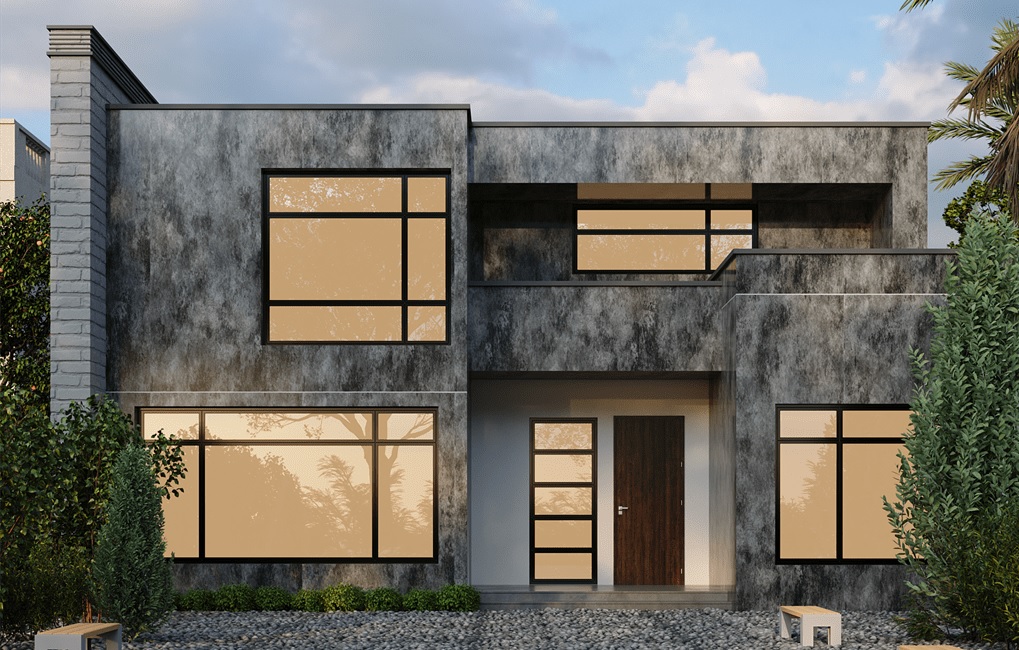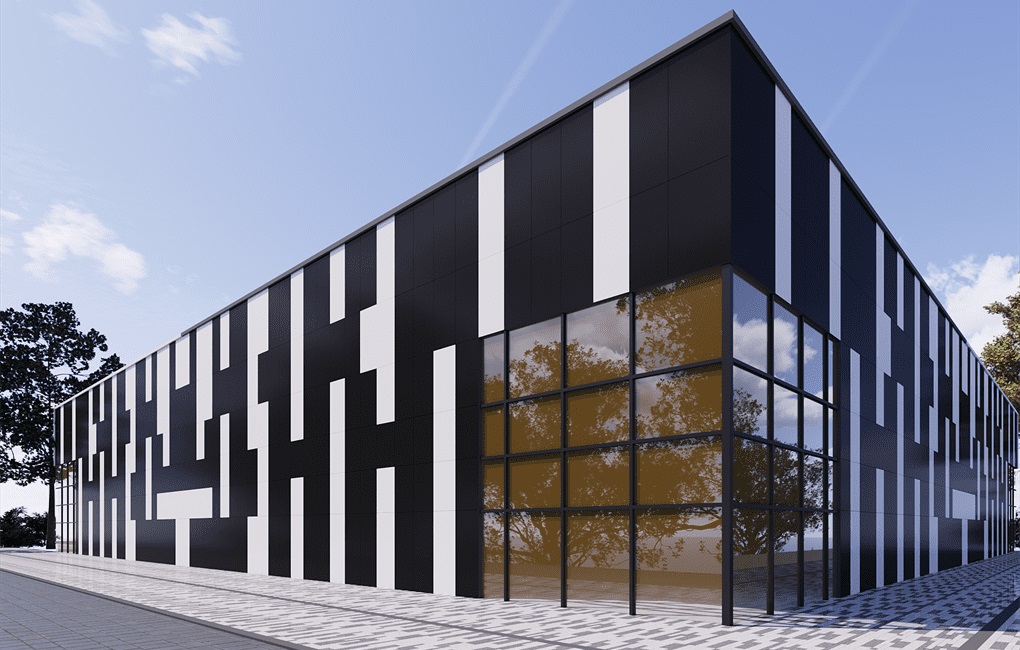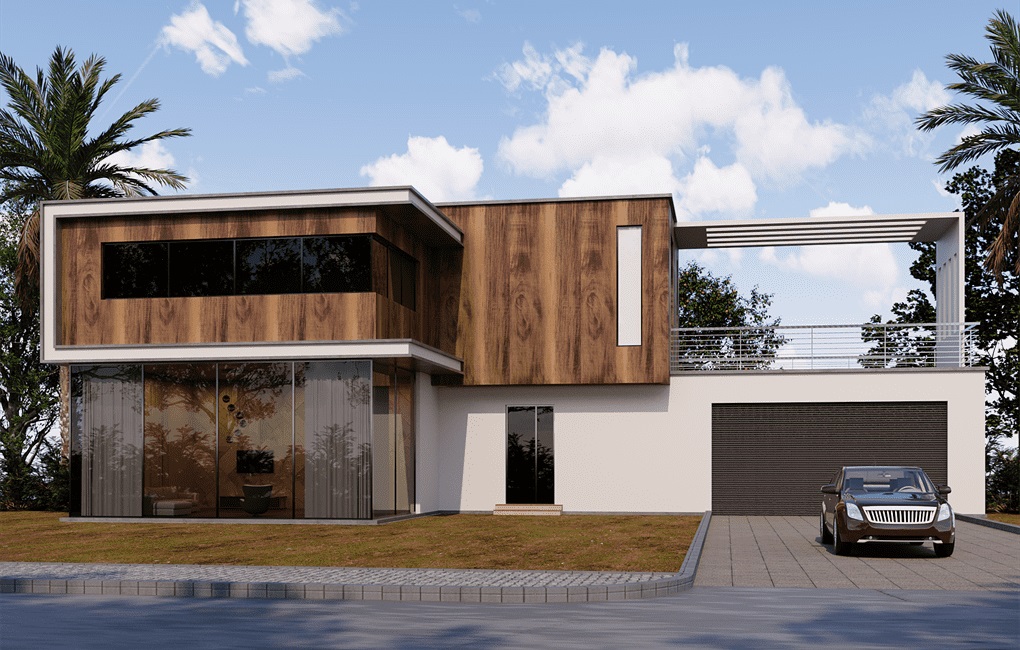
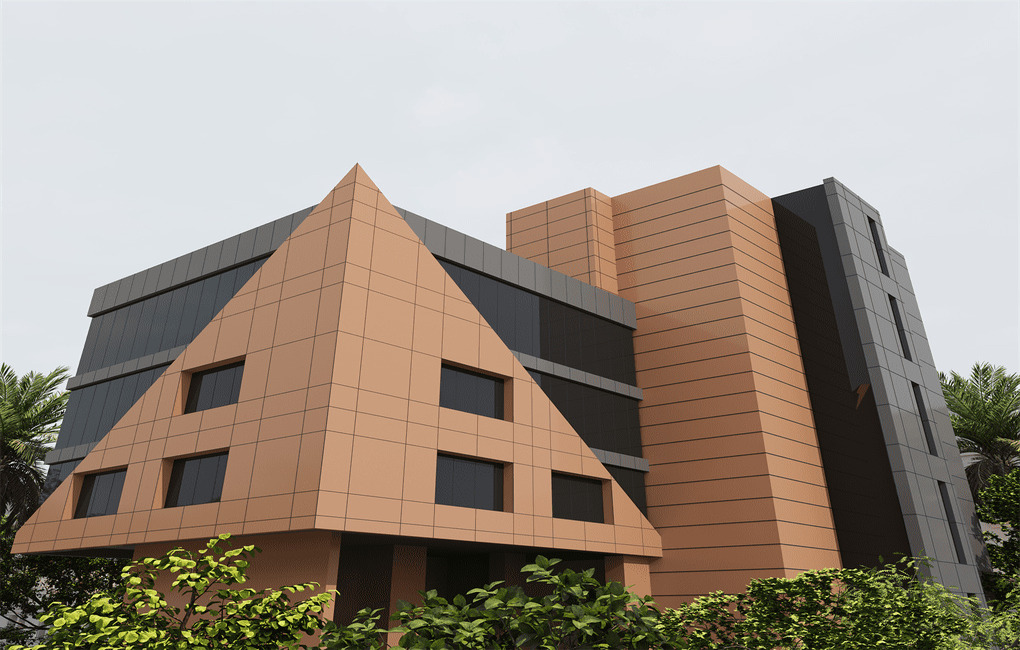
Selecting the right Aluminium Composite Panel is the first step to an exceptional design. Whether it’s a sheet from the sophisticated Alustic Wood Series for a warm interior or a vibrant colour from the Solid Series for a modern façade, the project’s final quality ultimately depends on the fabrication.
ACPs are engineered to be durable, yet they are high-finish products. Correct handling and cutting techniques are essential to achieve a professional, flawless installation. This guide outlines the best practices for fabrication.
Proper Storage and Handling
Before construction begins, proper storage is crucial to protect the panel’s finish.
- Maintain the Protective Film: The peel-off film is the primary defence against scratches and scuffs. This film should remain on the panel for the entire fabrication process, right up until the final installation is complete.
- Store Panels Flat: The best ACP panels in India must always be stored flat on a pallet or a clean, level surface. Storing them at an angle or leaning them against a wall for extended periods can cause the panels to bow or warp.
- Do Not Drag Panels: Panels must be lifted, not dragged, from a stack. Even with the film on, abrasive grit can get trapped and scratch the surface of the panel below. Always lift panels with two people to ensure they are handled safely.
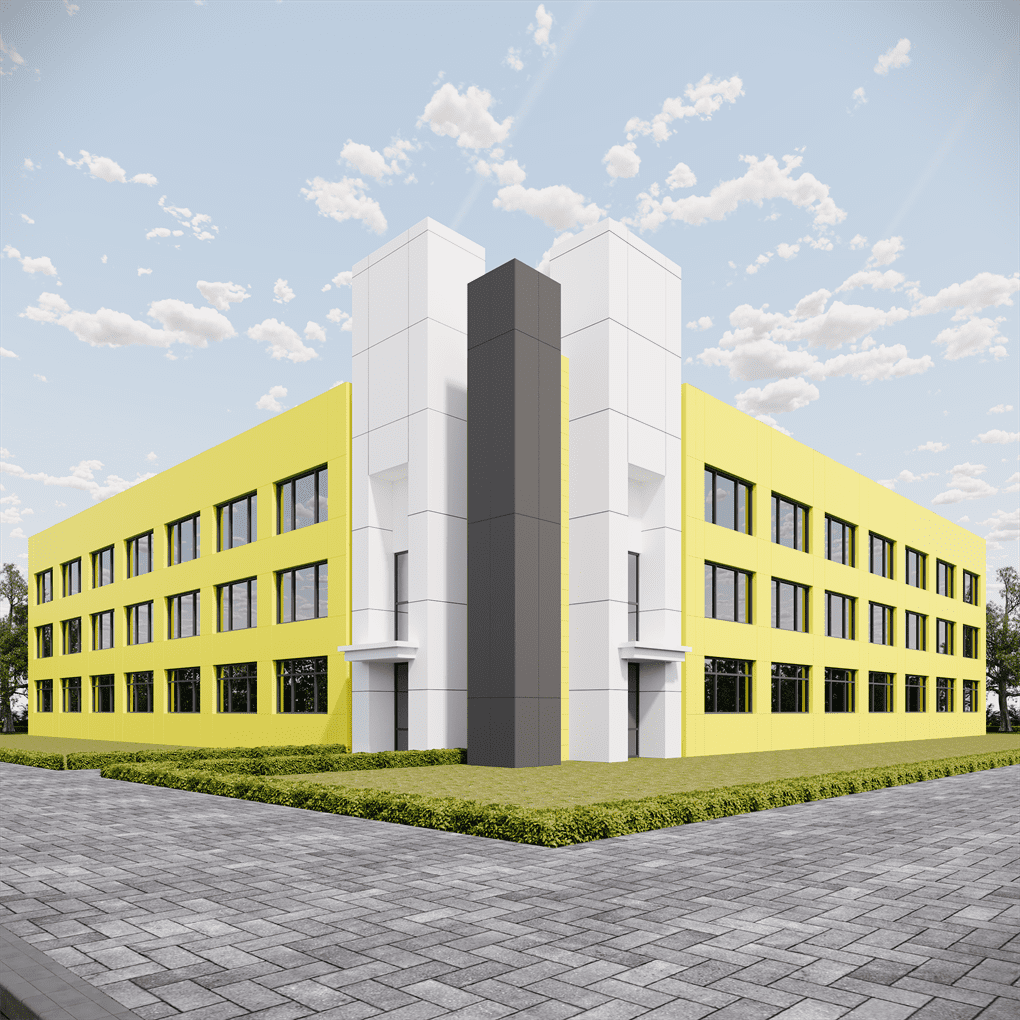
Precision Cutting: Tools and Techniques
A clean, precise cut is the hallmark of a professional installation; a jagged or messy edge is difficult to conceal. Using the right tool and blade is essential.
- For Straight Cuts (Circular Saw): A circular saw is the most common tool for straight-line cutting. Success depends entirely on the blade. You must use a fine-toothed, carbide-tipped blade specifically designed for non-ferrous metals or plastics. A standard wood-cutting blade is too coarse and will tear the aluminium, resulting in a poor finish. Always clamp a guide rail to the panel to ensure a perfectly straight cut.
- For Curves and Cutouts (Jigsaw): For complex shapes or cutouts (e.g., for electrical outlets or pipes), a jigsaw is the appropriate tool. As with the circular saw, use a fine-toothed blade intended for metal. Operate the saw at a steady, slow speed to prevent the blade from wandering and ensure a clean edge.
The Art of Fabrication: Routing and Folding
One of the greatest advantages of ACPs is their ability to be folded into sharp, 90-degree corners. This is how fabricators clad columns or create fascia boxes that appear to be made from a single, solid piece of metal.
The technique is called “routing”. Using a router with a specialised ‘V-groove’ bit, a groove is cut into the back of the panel. This cut removes the rear aluminium skin and most of the core, leaving the top aluminium skin and protective film intact. The panel can then be easily folded by hand into a perfect, crisp corner. It is this method that allows a product like the Alustic Metal Series to wrap flawlessly around structural elements.
The Final Step: The Big Reveal
The protective film should only be removed after the Aluminum wall panel is fully installed and all surrounding work (like silicone application or painting) is complete. Peeling the film too early exposes the finished surface to potential damage from tools, adhesives, or other construction activities.
Following these fabrication and handling standards ensures that the final installation matches the high-quality aesthetic of the panels selected.
To start your next project, explore our full range of captivating finishes on the Alustic website. Let us help you create a design that is built to last.