When selecting Aluminium Composite Panels (ACPs), most people focus immediately on the finish, a sleek metallic silver or a warm wooden texture. While aesthetics are important, the most critical technical decision you will make is selecting the right thickness.
A panel that is too thin for an exterior façade can warp or bow under wind pressure, while using a heavy-duty panelfor a kitchen cabinet is often an extra expense. Understanding the specifications ensures you get the best performance and value for your investment.
Here is a guide to navigating ACP thickness and choosing the right ACP wall panel for your application.
Understanding the Two Key Measurements
When looking at ACP specifications, you will typically see two distinct numbers. It is vital to understand the difference:
- Panel Thickness (e.g., 3mm, 4mm): This is the total thickness of the sheet, including the core and both aluminium skins.
- Aluminium Coil Thickness (e.g., 0.25mm, 0.50mm): This refers to the thickness of the ACP sheets themselves before they are bonded to the core.
3 mm vs. 4 mm: The Standard Choice
The industry standard generally divides panels into two main categories based on total thickness: 3 mm and 4 mm.
1. The 3 mm Panel
Best For: Interiors, Signage, Modular Kitchens, and Low-Rise Cladding.
A 3 mm panel is lighter and more flexible. In controlled interior environments where wind load and thermal expansion are not major factors, 3 mm is the ideal choice. It provides a perfectly flat surface for printing or decoration without the bulk of a thicker sheet.
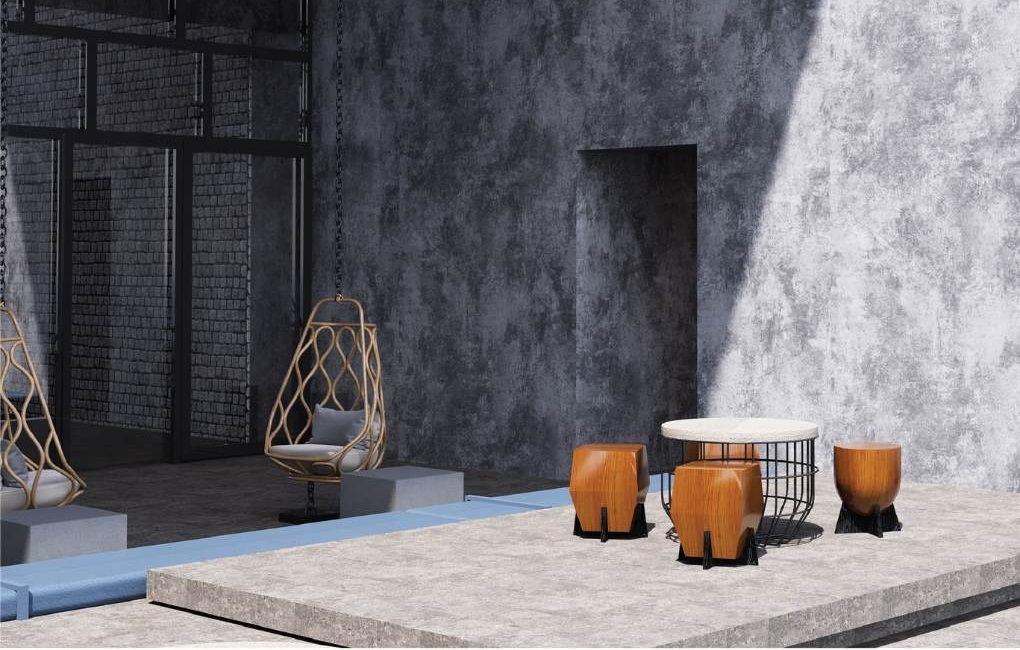
Application: 3 mm panels, such as those from the Alustic Marble Series, work well for interior aluminium wall cladding or column wrapping. The lighter weight makes installation in tight interior spaces significantly easier.
2. The 4 mm Panel
Best For: Exterior Facades, High-Rise Buildings, and Large Spans.
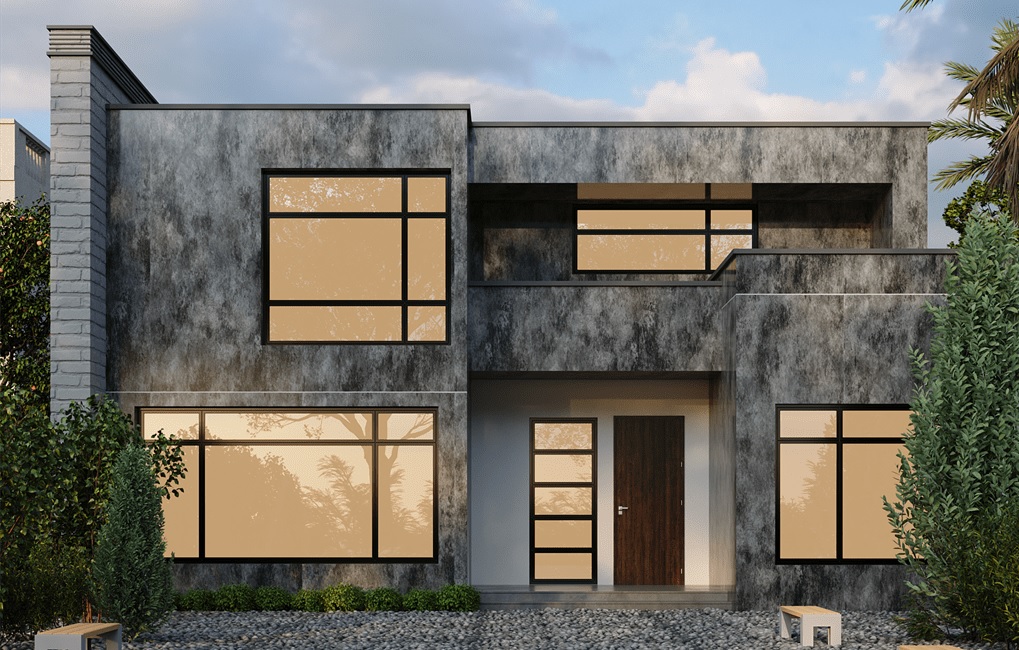
Once you move outdoors, the 4 mm exterior aluminium composite panel becomes the standard requirement. The extra thickness (usually in the core) provides greater rigidity. This is crucial for resisting wind pressure and preventing “oil canning”, a phenomenon where a panel looks wavy or distorted.
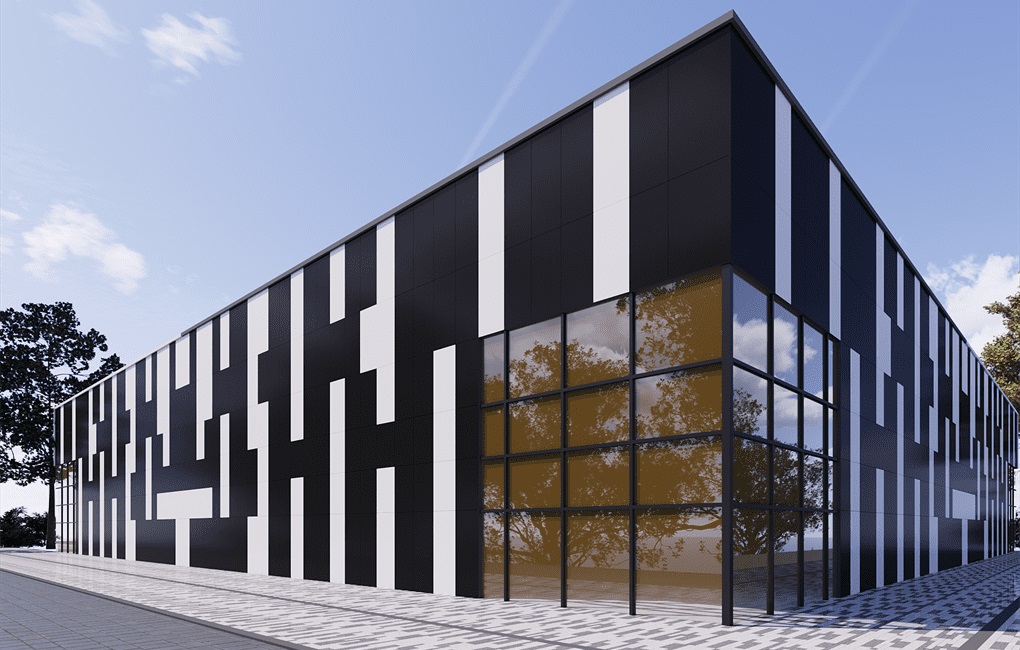
Application: For a multi-storey commercial building, you need the structural integrity of a 4 mm sheet. This is typically where you would utilise the Alustic Solid Series or the Alustic Metal Series. These panels are engineered to remain flat and secure even under the stress of heavy winds and changing temperatures.
The Hidden Factor: Coil Thickness
After choosing between 3 mm and 4 mm, choosing the thickness of the aluminium skin (the coil) is equally important.
- 0.25 mm Skin: Often used with 3 mm panels for interiors or budget-friendly exterior signage.
- 0.50 mm Skin: The gold standard for premium exterior architecture. A thicker aluminium skin offers superior impact resistance and flatness.
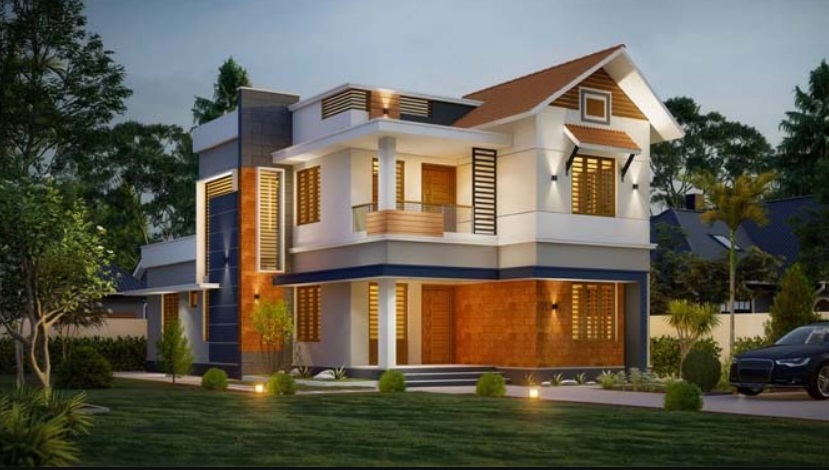
Application: If you are designing a premium façade using our Alustic Wood Series to accent a building exterior, opting for a thicker skin ensures the surface remains undistorted and pristine for years.
Conclusion
There is no “best” thickness, only the “right” thickness for the job Matching the specification to the application ensures safety, longevity, and visual perfection. To view the detailed technical specifications of our various grades, visit the Alustic official website.