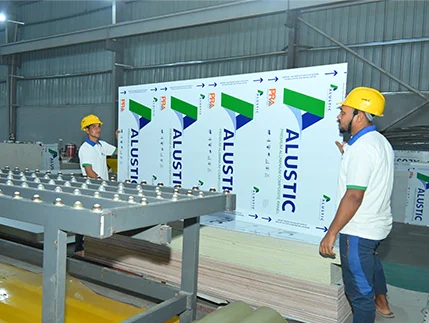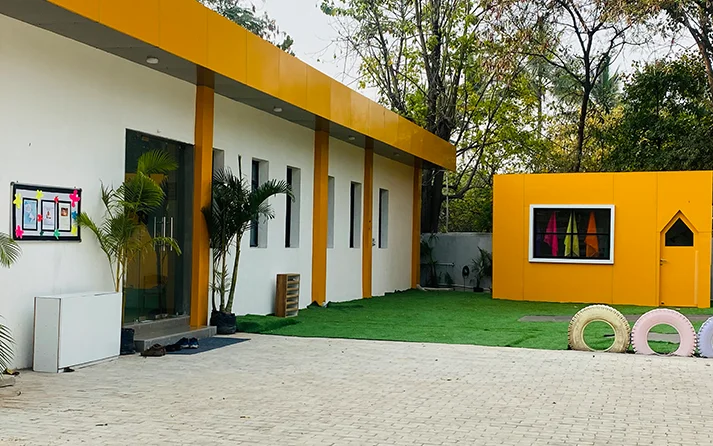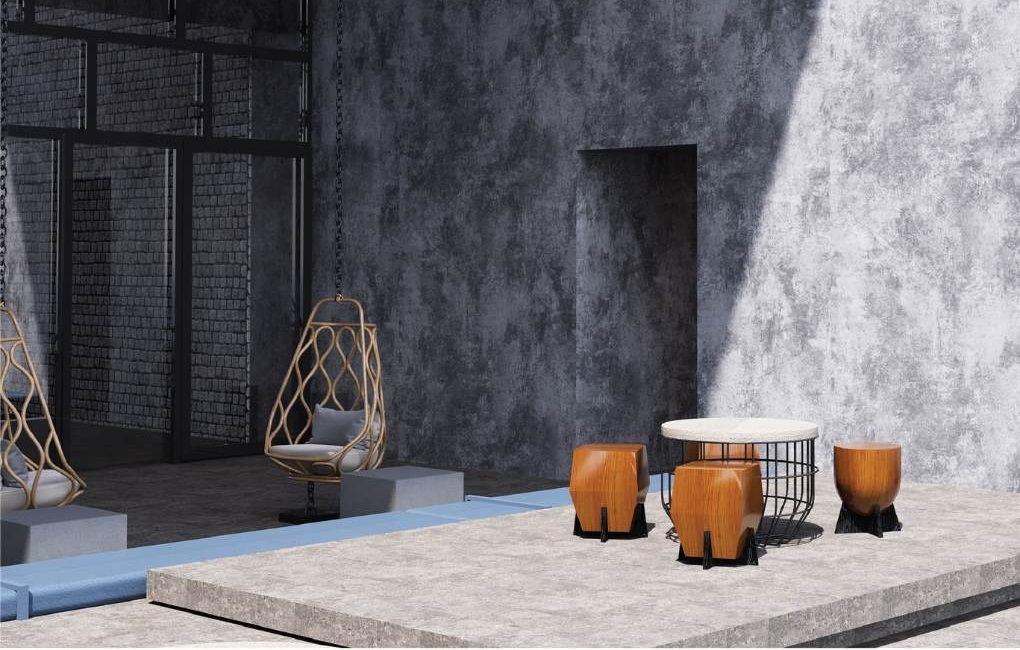
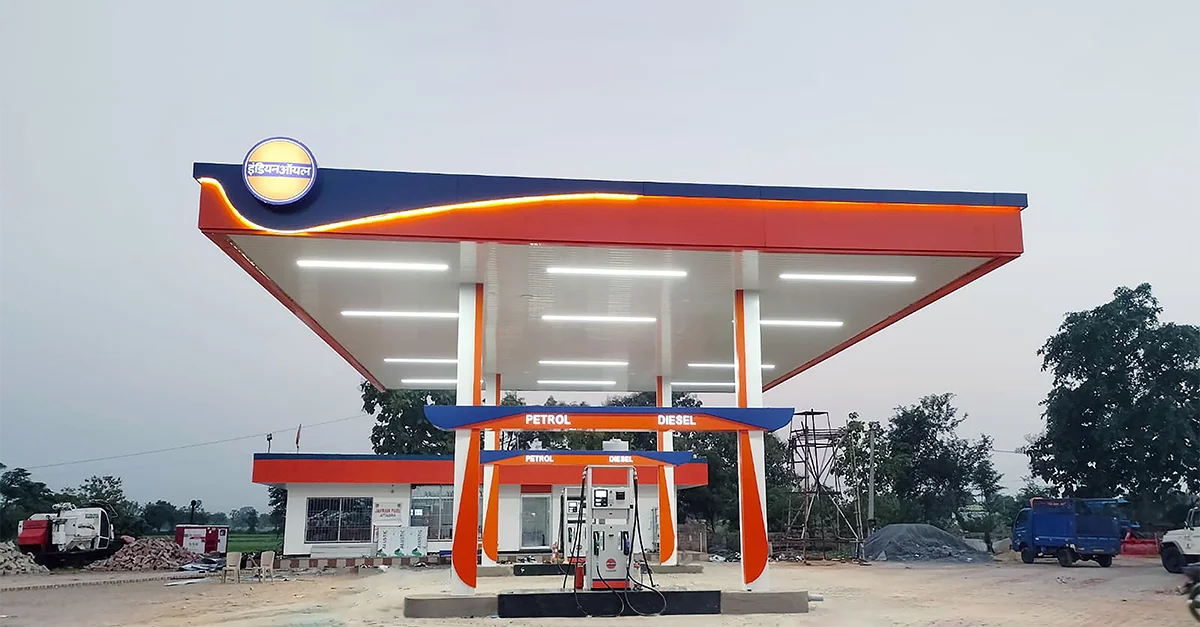
Traditionally, Aluminium Composite Panels (ACPs) were viewed primarily as an exterior cladding material, the protective skin of a building. However, modern interior design has recognised the potential of ACPs to transform indoor spaces. In commercial environments, where the balance between high-impact aesthetics and extreme durability is critical, ACPs offer a solution that traditional materials like paint, plywood, or heavy stone often cannot match.
From corporate headquarters to high-traffic retail centres, here is how architects are utilising Alustic panels to elevate commercial interiors.
1. Corporate Offices
In a corporate setting, the reception area and boardroom are the physical embodiments of a company’s brand identity. They require clean lines, precise colour matching, and a sense of permanence.
Designers are increasingly moving away from high-maintenance painted drywalls in favour of solid ACP panels. These panels provide a perfectly flat, flawless surface that can be matched to corporate brand colours.
Furthermore, for tech-focused or industrial-style offices, the metal panels offer a sleek, sophisticated finish for column cladding or elevator surrounds, imparting a futuristic and professional atmosphere that standard materials fail to achieve.
2. Retail Showrooms
The goal of any showroom is to highlight the product. The interior environment must catch the eye without overpowering the merchandise.
For retail spaces, lighting and reflection play a massive role. Glossy panels are a favourite among retail designers. The high-gloss finish reflects interior lighting, making smaller boutiques feel more spacious and adding a vibrancy that draws customers in. These ACP wall panels are often used for display shelving, cashier counters, and feature walls behind key products, creating a high-energy environment that stimulates sales.
3. Shopping Malls and Public Spaces
Malls and public concourses face a unique challenge: they must look luxurious while withstanding the wear and tear of thousands of daily visitors. Materials used here must be resistant to impact, scratches, and stains.
Here, the marble panels prove invaluable. Real marble is heavy, porous, and expensive to install on vertical surfaces. Alustic’s marble-finish panels offer the same opulent visual texture, perfect for expansive corridor walls, escalator cladding, and food court pillars, but are lightweight and easy to clean. If an ACP panel is damaged, it can be replaced individually without the dust and disruption associated with masonry work.
4. Partitions and Ceilings
Commercial spaces also need to manage acoustics and visual separation. Open-plan offices often require partitions that provide privacy without feeling sterile.
Using the wood-textured ACP panels for ceiling baffles or room dividers introduces a natural, organic element that softens the harshness of a commercial environment. Unlike real timber, which acts as a fire hazard and requires polishing, these panels are fire-retardant (when specified with an FR core) and require zero maintenance, making them a safe and practical choice for enclosed public spaces.
Conclusion
The transition of ACPs from the exterior to the interior is driven by performance and versatility. Whether creating a branded corporate lobby or a high-end retail experience, these aluminium wall panels provide a finish that is as durable as it is beautiful. To discover how these versatile finishes can transform your next commercial interior project, explore the full collection on the Alustic official website.