India is geographically unique. In a single country, we experience the scorching dry heat of Rajasthan, the torrential monsoons of Mumbai and Kerala, and the freezing cold of the Himalayas. For architects and builders, this presents a significant challenge: how do you select a building material that survives, and thrives, in such varied conditions?
A facade is the building’s first line of defence against the elements. While aluminium composite panel sheets are renowned for their durability, selecting the right specification for your specific geography is crucial to ensuring the longevity of the structure.
Here is a guide to selecting the right ACP for India’s extreme weather zones.
Battling the Scorching Sun and UV Radiation
In vast parts of Central and North India, the summer sun is unforgiving. The primary threat here is not just heat but Ultra-Violet (UV) radiation. Over time, intense UV exposure can cause inferior facade materials to fade, chalk, or lose their sheen within a few years.
The Solution: For high-sun exposure regions, the coating is everything. You must prioritise panels with a PVDF (Polyvinylidene Fluoride) coating. This fluoropolymer resin is chemically stable and resistant to UV degradation.
The Alustic Metal Series is an excellent choice for these regions. Not only does the PVDF coating protect the finish, but the metallic surface also helps reflect a portion of the heat, potentially aiding in the thermal management of the building.
Surviving the Heavy Monsoons and Humidity
For coastal cities and high-rainfall regions, the enemy is moisture. Traditional materials like natural wood or porous stone can absorb water, leading to rot, fungal growth, and structural weakening. Furthermore, coastal air often carries salt, which accelerates corrosion in standard metals.
The Solution: Aluminium is naturally resistant to corrosion, making exterior aluminium composite panels superior to steel or wood in coastal belts. However, the quality of the paint system is vital to prevent salt from penetrating the surface.
This is where the Alustic Wood Series provides a distinct advantage. It offers the aesthetic warmth of natural timber but is resistant to water, termites, and humidity. You achieve the design intent of a wooden facade without the risk of warping or rotting during the monsoon.
Managing Urban Pollution and Dust
In dense metropolitan areas, the challenge is often particulate matter. Dust, grime, and pollution can settle on a facade, making a new building look aged and tired very quickly.
The Solution: You require a surface with high smoothness and low static charge, allowing rain to naturally wash away settled dust.
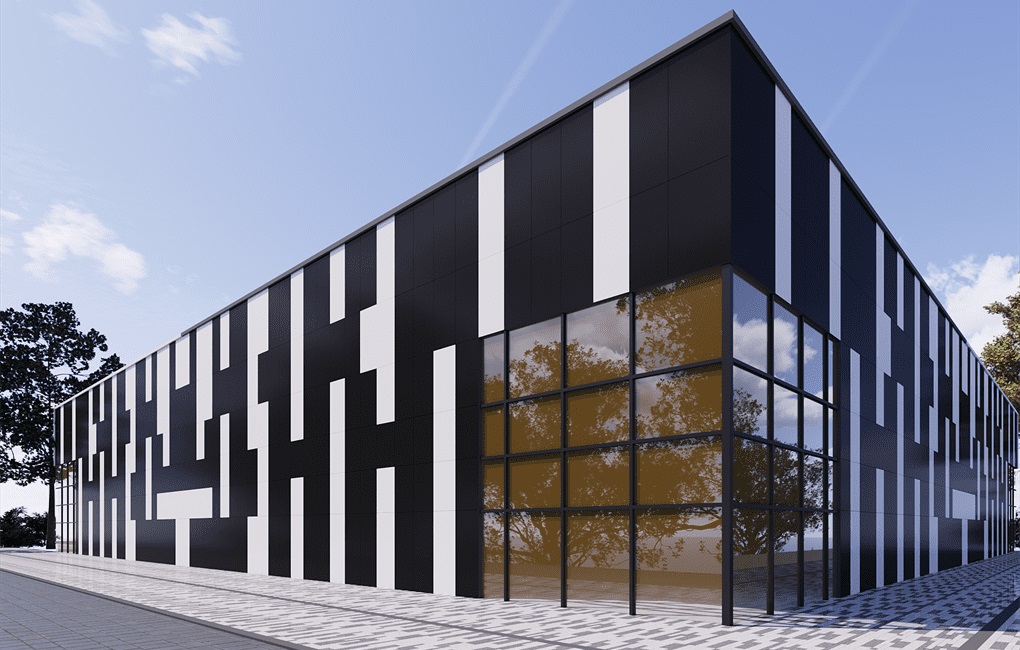
The Alustic Solid Series is ideal for urban environments. The high-quality finish of aluminium wall panels ensures that the bold colours remain vibrant and the surface remains easy to clean with a simple water wash. This low maintenance requirement is essential for high-rise commercial buildings where frequent cleaning is difficult and expensive.
Controlled Interior Environments
While the exterior fights the elements, the interior needs to maintain a sense of luxury and stability. Interiors are often subject to air conditioning and temperature fluctuations.
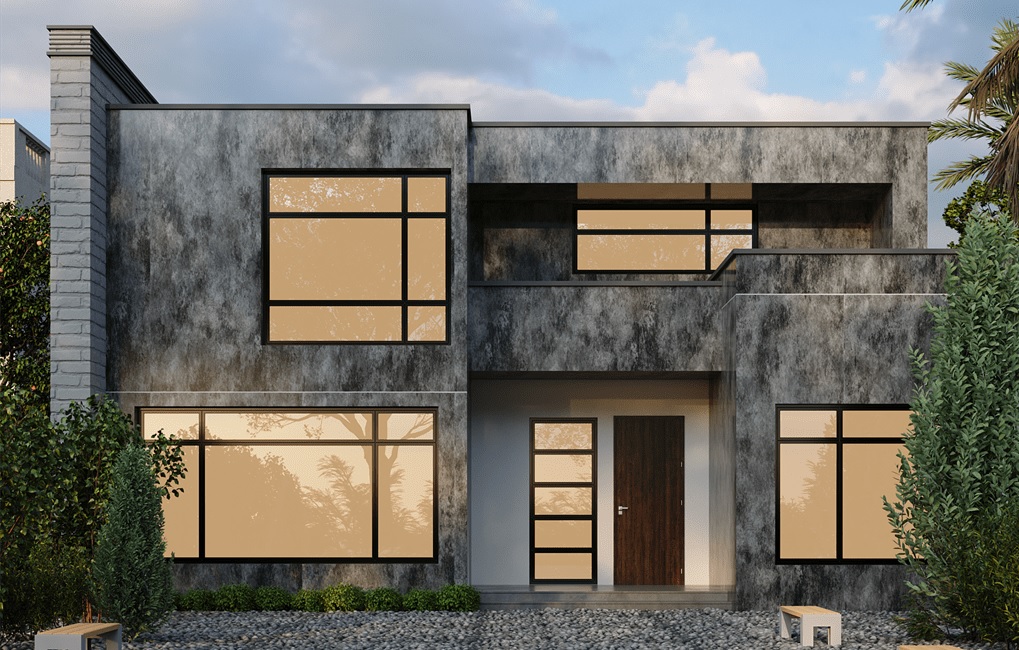
The Solution: For interior applications like lobbies or bathrooms, the Alustic Marble Series is a superior alternative to heavy stone. It withstands the humidity of wet areas (like restrooms) far better than porous marble, while adding a touch of opulence to the design.
Conclusion
Understanding the environmental and situational factors ensures that your project remains pristine for decades. By selecting the appropriate panel specification and finish, you are not just decorating a building; you are protecting it.
To view specifications and find the perfect match for your climate, explore the full range of products on the Alustic website. Choose Alustic, the top ACP brand in India, as your trusted partner for your next project.