Posted on Leave a comment

How to Evaluate ACP Panel Quality Before Finalizing a Supplier

top acp brand in india

In the construction industry, a glossy brochure or a digital render can look perfect, but it doesn’t always tell the whole story. With the market flooded with Aluminium Composite Panel (ACP) suppliers, distinguishing between a high-performance panel and a subpar substitute is critical. A poor choice can lead to delamination, fading colours, or warping facades within just a few years.

Here are four practical ways to assess aluminium composite panel quality to ensure you are choosing a material that will stand the test of time.

1. The Surface Inspection: Flatness and Consistency

The first test is visual. A high-quality ACP should be perfectly flat. Hold a sample up to the light and look across the surface. You are checking for “oil canning”, which are wavy distortions that ruin the aesthetic of a building.

Next, check for colour consistency. If you are ordering a solid colour panel, such as a vibrant red or blue, make sure there are no visible flow lines, bubbles, or scratches on the coating.

2. The Coating Quality: Thickness and Texture

Not all paints are created equal. For aluminium exterior panels, the thickness and type of coating determine how long the building will look new.

For metallic panels, the texture should be uniform. High-quality manufacturers use advanced roller coating systems (often PVDF for exteriors) that provide a smooth, consistent layer which resists chalking and fading from UV exposure. If the surface feels rough or gritty, it may indicate a poor painting environment or inferior resin quality.

3. The Core Test: Flexibility

The core of the panel is the material sandwiched between the aluminium skins, which is its structural backbone. A simple physical test can reveal a lot about the core’s quality.

Try to bend a small sample piece. A high-quality Low-Density Polyethylene (LDPE) core should be flexible and resilient. It should allow for bending without the aluminium skin cracking or the core snapping brittlely. This flexibility is vital for fabrication processes like routing and folding.

If you are using textured panels for complex architectural details, such as wrapping columns, a brittle core will make a clean 90-degree fold impossible and may lead to cracking during installation.

4. Peel Strength: Danger of Delamination

One of the most common failures in ACPs is delamination, where the aluminium skin peels away from the core. This is determined by “peel strength”.

While you cannot easily test this in an office, you can inspect the edge of the sample. Try to separate the aluminium from the core using pliers. In a high-quality acp panel, this should be extremely difficult, and the core should tear rather than separate cleanly from the metal. This strong bond is crucial for panels used in high-traffic or high-wind areas.

5. Print Definition

For textured panels, closely examine the print quality. The realism of an engineered stone finish depends on high-definition printing. Poor quality panels will look pixelated or blurry up close. A superior panel will have sharp, distinct veining and depth that convincingly mimics natural material.

Conclusion

Investing time in evaluating these physical properties protects your project’s long-term value. An aluminium panel supplier who delivers on these technical benchmarks is a supplier you can trust.

To see the difference for yourself, explore Alustic’s premium product range and specifications on our official website.
Posted on Leave a comment

Using ACP Panels to Achieve Minimalist Building Facades

best acp panels in india

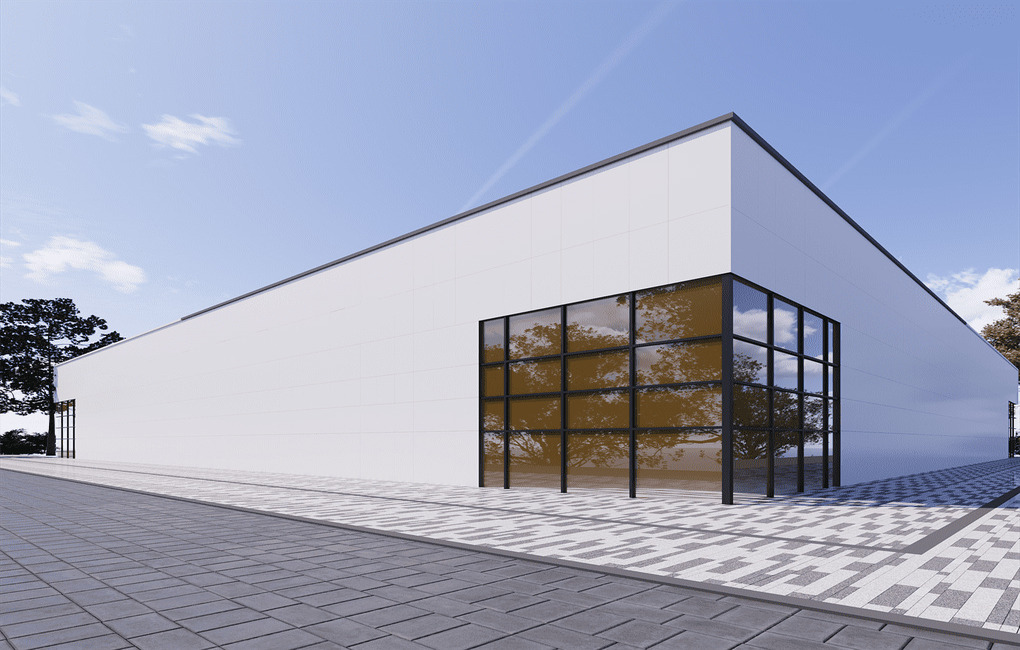
In modern architecture, minimalism is more than just a trend; it is a design philosophy rooted in clarity, purpose, and precision. The goal is to strip away the unnecessary, leaving a structure that speaks through its form and materials. Achieving this look requires a façade material that offers absolute flatness, crisp lines, and uniform colour.

This is why Aluminium Composite Panels (ACPs) have become the material of choice for minimalist exteriors. Unlike plaster, which can crack or have uneven texture, or stone, which varies visually, ACPs provide the clean, engineered perfection that minimalism demands.

Here is how to utilise Alustic panels to create a stunning, understated façade.

1. The Monochromatic Statement

Minimalism often relies on a restrained colour palette, typically whites, greys, and blacks, to emphasise the building’s geometry. The success of this look depends entirely on the consistency of the colour and the smoothness of the surface.

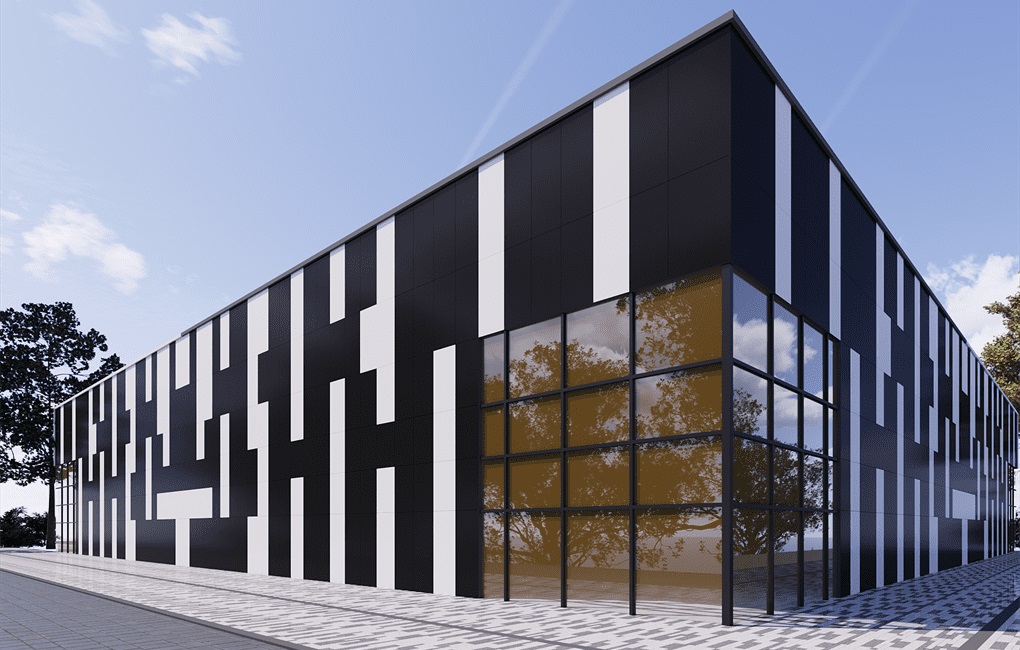
Using Solid Panels allow architects to create large, uninterrupted fields of colour. A facade of aluminium cladding in “Pure White” or “Jet Black” creates a dramatic, monolithic appearance. The panels can be cut into large rectangular formats with narrow joints, minimising visual clutter and allowing the building’s shape to take centre stage.

2. Industrial Sophistication

Minimalism often intersects with industrial design, celebrating raw materials and metallic textures. However, using raw steel or aluminium can be heavy and difficult to maintain.

Metal panels offer the perfect solution. These exterior aluminium composite panels reflect light subtly, giving the building a dynamic appearance that changes throughout the day without needing ornate details.

3. “Warm” Minimalism

One common criticism of minimalism is that it can feel cold or sterile. To counter this, many designers are adopting “Soft Minimalism” or “Japandi” styles, which blend clean lines with natural textures.

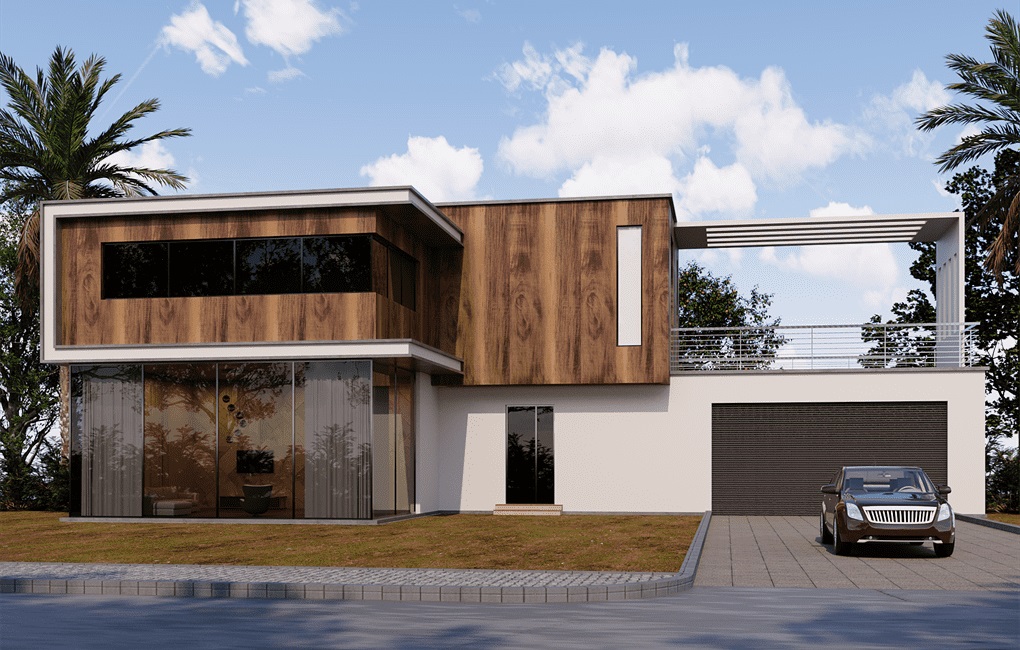
This is where the wood panels are invaluable. By incorporating a wood-finish panel as an accent, perhaps on a soffit, an entry portal, or a single vertical strip against a white wall, you introduce warmth and organic texture. This maintains the clean, modern lines of the structure while making the building feel more inviting and grounded.

4. Precision in the Details

In a minimalist design, there is nowhere to hide. Imperfections like wavy walls (oil canning) or uneven gaps become glaringly obvious.

High-quality ACPs are engineered for rigidity. When installed correctly using a tray system, they ensure the façade remains perfectly flat. Furthermore, ACPs allow for crisp, 90-degree corner folds. This eliminates the need for bulky corner trims or flashings that disrupt the building’s silhouette. The result is a seamless transition from one elevation to the next, maintaining the illusion of a solid block.

Conclusion

Minimalism is not about the absence of design; it is about the perfection of what remains. By selecting the right high-performance aluminium composite panel, you ensure that your building’s simplicity is its greatest strength.

To find the perfect finish for your minimalist project, explore the clean and contemporary options on the Alustic official website.

Posted on Leave a comment

Commercial Interiors Using ACP: Office, Mall & Showroom Applications

aluminum composite panel sheet

Traditionally, Aluminium Composite Panels (ACPs) were viewed primarily as an exterior cladding material, the protective skin of a building. However, modern interior design has recognised the potential of ACPs to transform indoor spaces. In commercial environments, where the balance between high-impact aesthetics and extreme durability is critical, ACPs offer a solution that traditional materials like paint, plywood, or heavy stone often cannot match.

From corporate headquarters to high-traffic retail centres, here is how architects are utilising Alustic panels to elevate commercial interiors.

1. Corporate Offices

In a corporate setting, the reception area and boardroom are the physical embodiments of a company’s brand identity. They require clean lines, precise colour matching, and a sense of permanence.

Designers are increasingly moving away from high-maintenance painted drywalls in favour of solid ACP panels. These panels provide a perfectly flat, flawless surface that can be matched to corporate brand colours.

Furthermore, for tech-focused or industrial-style offices, the metal panels offer a sleek, sophisticated finish for column cladding or elevator surrounds, imparting a futuristic and professional atmosphere that standard materials fail to achieve.

2. Retail Showrooms

The goal of any showroom is to highlight the product. The interior environment must catch the eye without overpowering the merchandise.

For retail spaces, lighting and reflection play a massive role. Glossy panels are a favourite among retail designers. The high-gloss finish reflects interior lighting, making smaller boutiques feel more spacious and adding a vibrancy that draws customers in. These ACP wall panels are often used for display shelving, cashier counters, and feature walls behind key products, creating a high-energy environment that stimulates sales.

3. Shopping Malls and Public Spaces

Malls and public concourses face a unique challenge: they must look luxurious while withstanding the wear and tear of thousands of daily visitors. Materials used here must be resistant to impact, scratches, and stains.

Here, the marble panels prove invaluable. Real marble is heavy, porous, and expensive to install on vertical surfaces. Alustic’s marble-finish panels offer the same opulent visual texture, perfect for expansive corridor walls, escalator cladding, and food court pillars, but are lightweight and easy to clean. If an ACP panel is damaged, it can be replaced individually without the dust and disruption associated with masonry work.

4. Partitions and Ceilings

Commercial spaces also need to manage acoustics and visual separation. Open-plan offices often require partitions that provide privacy without feeling sterile.

Using the wood-textured ACP panels for ceiling baffles or room dividers introduces a natural, organic element that softens the harshness of a commercial environment. Unlike real timber, which acts as a fire hazard and requires polishing, these panels are fire-retardant (when specified with an FR core) and require zero maintenance, making them a safe and practical choice for enclosed public spaces.

Conclusion

The transition of ACPs from the exterior to the interior is driven by performance and versatility. Whether creating a branded corporate lobby or a high-end retail experience, these aluminium wall panels provide a finish that is as durable as it is beautiful. To discover how these versatile finishes can transform your next commercial interior project, explore the full collection on the Alustic official website.

Posted on Leave a comment

ACP Sheet Thickness Explained: How to Choose the Right One for Your Project

ACP Sheet Thickness Explained: How to Choose the Right One for Your Project

When selecting Aluminium Composite Panels (ACPs), most people focus immediately on the finish, a sleek metallic silver or a warm wooden texture. While aesthetics are important, the most critical technical decision you will make is selecting the right thickness.

A panel that is too thin for an exterior façade can warp or bow under wind pressure, while using a heavy-duty panelfor a kitchen cabinet is often an extra expense. Understanding the specifications ensures you get the best performance and value for your investment.

Here is a guide to navigating ACP thickness and choosing the right ACP wall panel for your application.

Understanding the Two Key Measurements

When looking at ACP specifications, you will typically see two distinct numbers. It is vital to understand the difference:

  1. Panel Thickness (e.g., 3mm, 4mm): This is the total thickness of the sheet, including the core and both aluminium skins.
  2. Aluminium Coil Thickness (e.g., 0.25mm, 0.50mm): This refers to the thickness of the ACP sheets themselves before they are bonded to the core.

3 mm vs. 4 mm: The Standard Choice

The industry standard generally divides panels into two main categories based on total thickness: 3 mm and 4 mm.

1. The 3 mm Panel

Best For: Interiors, Signage, Modular Kitchens, and Low-Rise Cladding.

A 3 mm panel is lighter and more flexible. In controlled interior environments where wind load and thermal expansion are not major factors, 3 mm is the ideal choice. It provides a perfectly flat surface for printing or decoration without the bulk of a thicker sheet.

Application: 3 mm panels, such as those from the Alustic Marble Series, work well for interior aluminium wall cladding or column wrapping. The lighter weight makes installation in tight interior spaces significantly easier.

2. The 4 mm Panel

Best For: Exterior Facades, High-Rise Buildings, and Large Spans.

Once you move outdoors, the 4 mm exterior aluminium composite panel becomes the standard requirement. The extra thickness (usually in the core) provides greater rigidity. This is crucial for resisting wind pressure and preventing “oil canning”, a phenomenon where a panel looks wavy or distorted.

Application: For a multi-storey commercial building, you need the structural integrity of a 4 mm sheet. This is typically where you would utilise the Alustic Solid Series or the Alustic Metal Series. These panels are engineered to remain flat and secure even under the stress of heavy winds and changing temperatures.

The Hidden Factor: Coil Thickness

After choosing between 3 mm and 4 mm, choosing the thickness of the aluminium skin (the coil) is equally important.

  • 0.25 mm Skin: Often used with 3 mm panels for interiors or budget-friendly exterior signage.
  • 0.50 mm Skin: The gold standard for premium exterior architecture. A thicker aluminium skin offers superior impact resistance and flatness.

Application: If you are designing a premium façade using our Alustic Wood Series to accent a building exterior, opting for a thicker skin ensures the surface remains undistorted and pristine for years.

Conclusion

There is no “best” thickness, only the “right” thickness for the job Matching the specification to the application ensures safety, longevity, and visual perfection. To view the detailed technical specifications of our various grades, visit the Alustic official website.

Posted on Leave a comment

The Benefits of Using Tailor-Made ACP Solutions for Complex Projects

The Benefits of Using Tailor-Made ACP Solutions for Complex Projects

In the world of architecture, the most memorable buildings are rarely simple. They feature sweeping curves, unique angles, or façades that double as a company’s brand identity. When architects design these complex, visionary structures, “off-the-shelf” materials often can’t keep up.

This is especially true for Aluminium Composite Panels (ACPs). While standard-sized panels are fantastic for many jobs, a “one-size-fits-all” approach can limit a project’s potential. This is where tailor-made ACP solutions become a game-changer.

Here’s why a custom approach is often the key to a project’s success.

Perfect Brand and Color Matching

For complex corporate or retail projects, colour isn’t just a design choice; it’s an identity. A brand’s specific shade of red or blue must be exact. While a standard palette offers a wide array of options, it may not have that exact proprietary colour.

A tailor-made solution allows for custom colour matching. This means the façade’s colour can be precisely formulated to match a brand’s logo, ensuring 100% brand consistency across all locations.

Less Waste, Fewer Seams

Complex façades mean unconventional shapes and dimensions. If you use standard 8×4 sheets on a wall that is 10 feet high or has multiple angles, you are left with a huge amount of cutting, off-cuts, and wasted material. This directly translates to a higher material cost.

Custom, tailor-made aluminum wall panel sizes solve this. By manufacturing panels to the specific dimensions required by the project, you drastically reduce waste. An equally important benefit is the aesthetic: fewer cuts mean fewer visible seams. This is especially critical for finishes like the Alustic Marble Series, where fewer joints create a much more convincing and high-end look of a solid stone slab.

Realising Complex 3D Shapes

Modern architecture isn’t flat. It involves curves, folds, and dramatic angles that create a sense of movement. Achieving this with standard panels can be incredibly difficult, if not impossible.

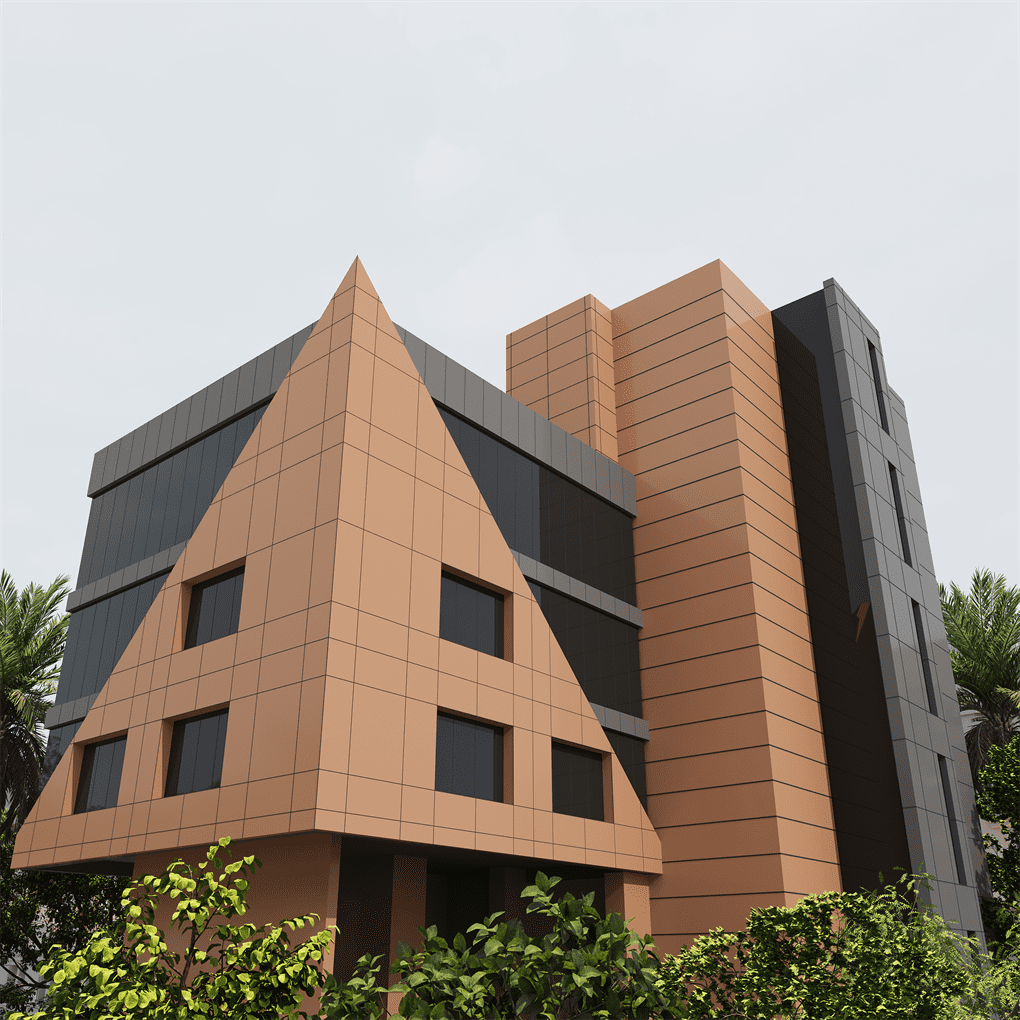
A tailor-made solution includes precision fabrication based on detailed architectural drawings. This ensures every panel can be routed and folded to perfectly match the architect’s 3D model. It’s the difference between a Metal Series panel that is flawlessly wrapped around a curved column and one that looks forced and segmented.

Meeting Specific Performance Needs

A project’s complexity isn’t just about its looks; it’s also about its function. A high-rise building, a hospital, an airport, or a school has non-negotiable safety and performance requirements.

“Tailor-made” also applies to the panel’s core. For these public and high-occupancy buildings, a standard core is often not an option. A custom solution involves specifying a Fire-Retardant (FR) core to meet stringent building codes and ensure the safety of everyone inside. This isn’t an add-on; it’s a fundamental part of the panel’s custom design.

In the end, standard materials are for standard buildings. For visionary architecture, a tailor-made approach ensures the final structure is as safe, efficient, and breathtaking as the original design.

Have a complex project with unique requirements? Explore the custom possibilities and our full range of the best ACP panels in India at the Alustic website, and let’s discuss how to bring your vision to life.

Posted on Leave a comment

How to Select ACP That Withstands Extreme Weather Across India’s Climate Zones

How to Select ACP That Withstands Extreme Weather Across India's Climate Zones

India is geographically unique. In a single country, we experience the scorching dry heat of Rajasthan, the torrential monsoons of Mumbai and Kerala, and the freezing cold of the Himalayas. For architects and builders, this presents a significant challenge: how do you select a building material that survives, and thrives, in such varied conditions?

A facade is the building’s first line of defence against the elements. While aluminium composite panel sheets are renowned for their durability, selecting the right specification for your specific geography is crucial to ensuring the longevity of the structure.

Here is a guide to selecting the right ACP for India’s extreme weather zones.

Battling the Scorching Sun and UV Radiation

In vast parts of Central and North India, the summer sun is unforgiving. The primary threat here is not just heat but Ultra-Violet (UV) radiation. Over time, intense UV exposure can cause inferior facade materials to fade, chalk, or lose their sheen within a few years.

The Solution: For high-sun exposure regions, the coating is everything. You must prioritise panels with a PVDF (Polyvinylidene Fluoride) coating. This fluoropolymer resin is chemically stable and resistant to UV degradation.

The Alustic Metal Series is an excellent choice for these regions. Not only does the PVDF coating protect the finish, but the metallic surface also helps reflect a portion of the heat, potentially aiding in the thermal management of the building.

Surviving the Heavy Monsoons and Humidity

For coastal cities and high-rainfall regions, the enemy is moisture. Traditional materials like natural wood or porous stone can absorb water, leading to rot, fungal growth, and structural weakening. Furthermore, coastal air often carries salt, which accelerates corrosion in standard metals.

The Solution: Aluminium is naturally resistant to corrosion, making exterior aluminium composite panels superior to steel or wood in coastal belts. However, the quality of the paint system is vital to prevent salt from penetrating the surface.

This is where the Alustic Wood Series provides a distinct advantage. It offers the aesthetic warmth of natural timber but is resistant to water, termites, and humidity. You achieve the design intent of a wooden facade without the risk of warping or rotting during the monsoon.

Managing Urban Pollution and Dust

In dense metropolitan areas, the challenge is often particulate matter. Dust, grime, and pollution can settle on a facade, making a new building look aged and tired very quickly.

The Solution: You require a surface with high smoothness and low static charge, allowing rain to naturally wash away settled dust.

The Alustic Solid Series is ideal for urban environments. The high-quality finish of aluminium wall panels ensures that the bold colours remain vibrant and the surface remains easy to clean with a simple water wash. This low maintenance requirement is essential for high-rise commercial buildings where frequent cleaning is difficult and expensive.

Controlled Interior Environments

While the exterior fights the elements, the interior needs to maintain a sense of luxury and stability. Interiors are often subject to air conditioning and temperature fluctuations.

The Solution: For interior applications like lobbies or bathrooms, the Alustic Marble Series is a superior alternative to heavy stone. It withstands the humidity of wet areas (like restrooms) far better than porous marble, while adding a touch of opulence to the design.

Conclusion

Understanding the environmental and situational factors ensures that your project remains pristine for decades. By selecting the appropriate panel specification and finish, you are not just decorating a building; you are protecting it.

To view specifications and find the perfect match for your climate, explore the full range of products on the Alustic website. Choose Alustic, the top ACP brand in India, as your trusted partner for your next project.

Posted on Leave a comment

How to Choose the Right Solid Series ACP Color for Your Project

How to Choose the Right Solid Series ACP Color for Your Project

Selecting a colour often begins with a chart or fan deck, yet what should be a straightforward design decision can quickly feel like a high-pressure evaluation. Is the red too bold? Is the grey too understated? And will it appear the same on a ten-storey building as it does on a small sample chip?

Choosing the right colour of aluminium composite panel sheet for your facade is crucial. It is the first thing people notice, and it sets the tone for the entire structure. When working with the Alustic Solid Series, you have a massive palette at your fingertips. So, how do you narrow it down?

Here is a simple guide to finding the right hue for your project.

1. Define the Building’s “Personality”

Before you pick a colour, ask yourself: what is this building saying?

  • The Professional Approach: If you are designing a corporate office, a hospital, or an educational institution, you often want to convey trust, stability, and cleanliness. Deep blues, cool silvers, and crisp whites of aluminium wall panels are the gold standard here. They look professional and timeless.
  • The Attention Grabber: For a retail store, a fast-food outlet, or a shopping mall, you want energy. You want heads to turn. This is where you can be brave with the vibrant reds, oranges, and yellows found in our Solid Series. These colours stimulate excitement and attract foot traffic.

2. The Art of Mixing Materials

One of the biggest mistakes people make is thinking they have to use just one colour for the whole building. The best designs often come from contrast.

Solid colours look amazing when paired with textured finishes. For example, a modern home clad in a deep Charcoal Grey or Jet Black solid panel looks stunning when accented with the warm, natural tones of the Alustic Wood Series. The solid colour provides a sleek, modern canvas, while the wood finish adds a touch of organic warmth, preventing the design from feeling too cold or industrial.

3. Finish Matters: Matte vs. Gloss

Colour isn’t just about the pigment; it’s also about the reflection. The exact same shade of red can look entirely different depending on whether it absorbs light or reflects it.

  • Standard/Matte: Great for residential projects or large corporate facades where you want the colour to look consistent and don’t want blinding glare from the sun.
  • High Gloss: If you are designing a showroom, a high-end boutique, or interior signage, consider the Alustic Glossy Series. A high-gloss finish adds a layer of depth and luxury that indicates “premium”. It creates a mirror-like effect that makes small spaces feel larger and brands look more expensive.

4. Consider the Surroundings

Finally, look at where the building sits. Is it in a leafy suburb? Earthy tones or greens might blend in beautifully. Is it in a concrete jungle? You might want a bright pop of colour to stand out, or perhaps a sleek Metallic finish from the Alustic Metal Series to reflect the urban skyline.

Don’t view the building in isolation; view it as part of the streetscape.

Choosing a colour is a personal journey, but with the right strategy, you can ensure your building makes the perfect statement with the best exterior aluminium composite panel.

Ready to find your shade? Browse the full spectrum of possibilities on the Alustic website, and let’s bring your vision to colour!

Posted on Leave a comment

How ACP Panels Enable Curved and Non-Linear Architectural Designs

How ACP Panels Enable Curved and Non-Linear Architectural Designs

For decades, architecture was largely defined by the straight line. Buildings were boxes: rigid, rectangular, and predictable. But look at the skyline today, and you will see a dramatic shift. Modern architecture is embracing fluidity: sweeping curves, organic shapes, and non-linear facades that seem to defy gravity.

Achieving these fluid forms requires materials that are not just strong but exceptionally malleable. This is where Aluminium Composite Panels (ACPs) have revolutionised design, acting as the “fabric” of modern architecture and allowing buildings to flow.

Here is how ACPs are enabling architects to move beyond the box.

The Science of Flexibility

The secret to an aluminium wall panel’s ability to curve lies in its composite structure. By placing a flexible core between two thin layers of aluminium, the panel retains the metal’s strength but gains a surprising amount of elasticity. Unlike solid metal sheets, which can buckle or distort when bent, ACPs can be shaped into smooth, consistent curves without losing their structural integrity or surface finish.

Creating the “Liquid” Façade

One of the most striking applications of curved aluminium composite panel sheet is in creating a futuristic, metallic look. Architects often want a building to appear as if it is made of a single, continuous sheet of metal.

Through a process called roll bending (using a pyramid roller), panels can be curved to a specific radius. When applied to products like the Alustic Metal Series, the result is stunning. A building wrapped in a curved Silver or Champagne Gold panel catches the light differently at every angle, creating a dynamic, “liquid” appearance that changes throughout the day.

Organic Shapes with Bold Colours

Curves aren’t just for metallic finishes. We are seeing a rise in institutional and commercial buildings that use bold, solid colours on curved surfaces to soften the visual impact of large structures.

A curved canopy or a rounded corner clad in a vibrant hue from the Alustic Solid Series can transform a building from an imposing block into a welcoming, approachable landmark. The paint systems used on these panels are flexible enough to withstand the bending process without cracking or micro-fracturing, ensuring the colour remains flawless even under stress.

Interior Flow and Furniture

The application of corrugated aluminium cladding extends indoors as well. Interior designers use them to wrap structural columns, create flowing false ceilings, or design bespoke furniture like rounded reception desks.

Imagine a curved feature wall or a cylindrical pillar wrapped in a texture from the Alustic Wood Series. Achieving this look with real timber requires steaming and bending, which is expensive and time-consuming. With ACPs, you can achieve that warm, organic, curved wood look with a fraction of the effort and cost. Similarly, high-gloss curves using the Glossy Series can add a sleek, modern pop to retail interiors.

Conclusion

Design is no longer confined to right angles. Whether it is a subtle wave on a facade or a dramatic cylindrical structure, exterior aluminium composite panels provide the freedom to bend, twist, and shape the built environment. They offer the perfect balance of rigidity for strength and flexibility for creativity. Ready to explore the fluid side of design? Discover the full range of flexible and durable panels on the Alustic website, and let’s shape the future of your next project.

Posted on Leave a comment

Why ACP Panels Are Key to Energy-Efficient Building Design

best ACP sheets in India

The exterior, what architects call the ‘facade’, plays a huge role in making buildings memorable. A building’s facade isn’t just about looks, though. It needs to protect the structure, stand up to different elements, and often reflect the vision and purpose of what lies within. That’s why architects all over the world are turning to Aluminium Composite Panels(ACPs) for their projects.

An aluminium composite wall panel is more than just a way to make a building look sleek and modern. It’s also an important part of making designs that are smart and save energy. Let’s find out how.

1. Keep interiors warm

An ACP is like a high-tech travel mug for your building. These are two sheets of aluminium and a core material in between them that make up the panel. This core does not conduct too much heat, which helps to avoid the heat from moving in and out of the house too quickly when it’s hot and too slowly when it’s cold. This natural insulation keeps the temperature inside more stable and comfortable, so your heating and cooling systems don’t have to work as hard.

2. Making a Front That Can Breathe

Utilising ACPs in a “rainscreen” or “ventilated” facade system is one of the most effective methods for letting your building breathe. This puts the panels a short distance away from the main wall of the building, which creates an air gap. It adds another layer of insulation that stops the solar heat from ever reaching the wall. Which lets air move around; that helps moisture get out and keeps the building dry and healthy. It’s like putting a coat on the building that keeps it safe and lets air in.

3. Creative liberty

ACPs offer incredible design flexibility. They can be easily cut, bent, folded, and shaped into a variety of forms, allowing for stunning and unique building envelopes. Whether it’s sleek, straight lines or flowing curves, ACPs can deliver. The vast array of colours and finishes available also means architects can achieve the exact aesthetic they envision. From modern metallic looks to natural wood ambience. An ACP can help you out.

4. Lightweight and easy to install

Aluminium composite panel sheets (ACPs) are much lighter than more conventional cladding materials. This lighter weight offers a number of benefits. It reduces the strain on the building’s structure, potentially leading to cost savings in structural design. Additionally, their lightweight nature makes them easier to handle and install, which can speed up construction times and reduce labour costs. This efficiency is a major draw for architects looking for both innovative design and practical solutions.

5. Durable and sustainable

Energy efficiency also includes being sustainable and durable. The best ACP sheets in India are naturally resistant to corrosion, and when combined with protective coatings like PVDF, they can withstand harsh weather conditions, UV radiation, and even pollutants, reducing the need for frequent maintenance and replacements. And as aluminium is a highly recyclable material, it proves to be a highly sustainable choice. Creating designs that are both gorgeous and eco-friendly.

At Alustic, the best ACP sheet brand in India, we offer a seamless blend of design versatility and durability. From wood, metallic, marble textures, and more, our wide range of ACPs gives architects and designers the freedom to realise any vision. Engineered for performance, our panels are built to withstand the Indian climate and meet strict safety standards. Alustic is more than a façade material—it’s a partner committed to preserving your architectural statement.

Ready to make your next project more energy-efficient? Visit our website to get started today!

Posted on Leave a comment

What Makes ACP Panels the Ideal Facade Material for Architects?

aluminum composite panel sheets

Think about some of the most beautiful buildings you’ve seen. The facade, or outside of the building, probably had a lot to do with how memorable it was. But, the outside of a building isn’t just for show. It has to protect the building, stand up to the weather, and often show what is inside and what it is supposed to do. That’s when aluminum composite panel sheets (ACPs) really shine and are the material that architects all over the world want to use.

So, why do so many architects use ACPs to cover the outside of buildings?

Designing in a whole new way

Architects need materials that can keep up with their innovative plans. ACPs give you a lot of freedom when it comes to design. You can easily cut, bend, fold, and shape them into different shapes. This makes it possible to make designs that are both pretty and unique. Architects can get the look they want, from modern metal looks to stylish wood finishes, with ACP panels.

Lasting strength

A beautiful facade should last for a long time, and ACPs are the right choice when it comes to endurance. The aluminium sheets are naturally resistant to corrosion, and if you add protective coatings like PVDF, they can handle bad weather, UV rays, and even pollution. This enhances its longevity, making aluminium composite panel cladding a smart investment in the long run.

Light and easy to put together

ACPs are much lighter than other types of cladding materials. This has several advantages. It puts less stress on the building’s structure, which could save money on structural design. Because they are light, they are also easy to move and put together, which can speed up building and save money on labour. Its practicality and novelty make it appealing to architects seeking innovative solutions.

A decision that lasts

Sustainability is very important in today’s conscious world. Many ACP manufacturing companies in India use recycled aluminium in their products. Furthermore, the durability and longevity of ACP façades contribute to a longer lifespan for the building envelope, reducing the overall environmental impact. Architects can make building practices more eco-friendly by using façade aluminium cladding on the outside.

Works with a Variety of Structures

ACPs can be used on many different types of buildings and styles, from modern homes and businesses to tall skyscrapers. They are a good choice for both new buildings and renovations because they can be changed to fit any project and make it look modern and put together.

Choose your provider wisely

Choosing Alustic means investing in versatility and durability. Our range of versatile best ACP sheets in India are more than just aesthetics. Every Alustic panel is engineered for performance and meets stringent safety standards.

Are you ready to look at the options for your next project? Visit Alustic’s official website to see the range of great ACP solutions we have to offer!