Posted on Leave a comment

How to Evaluate ACP Panel Quality Before Finalizing a Supplier

top acp brand in india

In the construction industry, a glossy brochure or a digital render can look perfect, but it doesn’t always tell the whole story. With the market flooded with Aluminium Composite Panel (ACP) suppliers, distinguishing between a high-performance panel and a subpar substitute is critical. A poor choice can lead to delamination, fading colours, or warping facades within just a few years.

Here are four practical ways to assess aluminium composite panel quality to ensure you are choosing a material that will stand the test of time.

1. The Surface Inspection: Flatness and Consistency

The first test is visual. A high-quality ACP should be perfectly flat. Hold a sample up to the light and look across the surface. You are checking for “oil canning”, which are wavy distortions that ruin the aesthetic of a building.

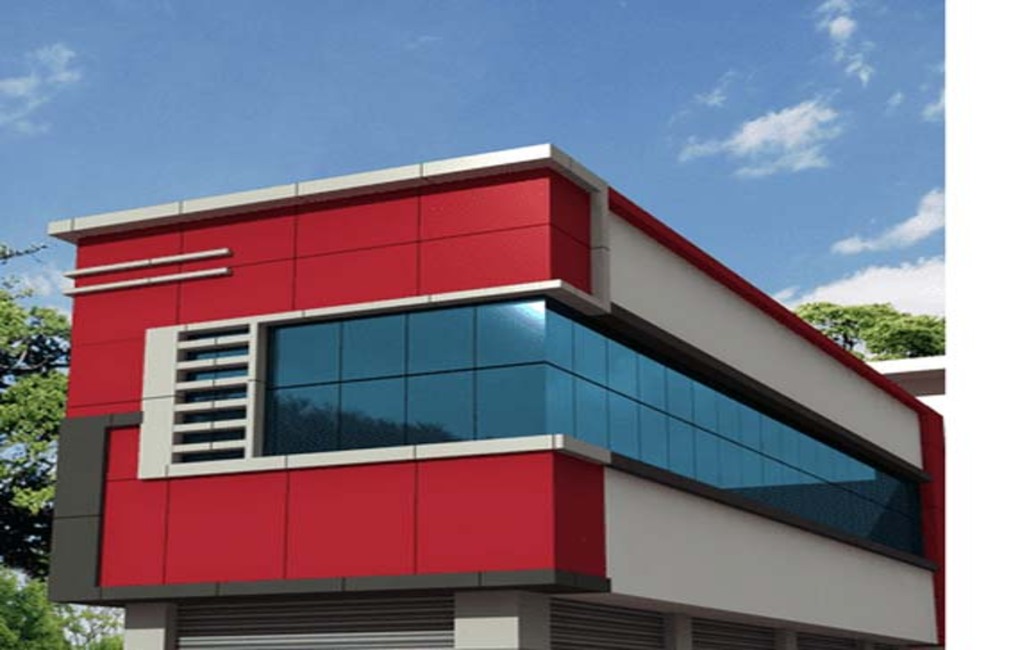
Next, check for colour consistency. If you are ordering a solid colour panel, such as a vibrant red or blue, make sure there are no visible flow lines, bubbles, or scratches on the coating.

2. The Coating Quality: Thickness and Texture

Not all paints are created equal. For aluminium exterior panels, the thickness and type of coating determine how long the building will look new.

For metallic panels, the texture should be uniform. High-quality manufacturers use advanced roller coating systems (often PVDF for exteriors) that provide a smooth, consistent layer which resists chalking and fading from UV exposure. If the surface feels rough or gritty, it may indicate a poor painting environment or inferior resin quality.

3. The Core Test: Flexibility

The core of the panel is the material sandwiched between the aluminium skins, which is its structural backbone. A simple physical test can reveal a lot about the core’s quality.

Try to bend a small sample piece. A high-quality Low-Density Polyethylene (LDPE) core should be flexible and resilient. It should allow for bending without the aluminium skin cracking or the core snapping brittlely. This flexibility is vital for fabrication processes like routing and folding.

If you are using textured panels for complex architectural details, such as wrapping columns, a brittle core will make a clean 90-degree fold impossible and may lead to cracking during installation.

4. Peel Strength: Danger of Delamination

One of the most common failures in ACPs is delamination, where the aluminium skin peels away from the core. This is determined by “peel strength”.

While you cannot easily test this in an office, you can inspect the edge of the sample. Try to separate the aluminium from the core using pliers. In a high-quality acp panel, this should be extremely difficult, and the core should tear rather than separate cleanly from the metal. This strong bond is crucial for panels used in high-traffic or high-wind areas.

5. Print Definition

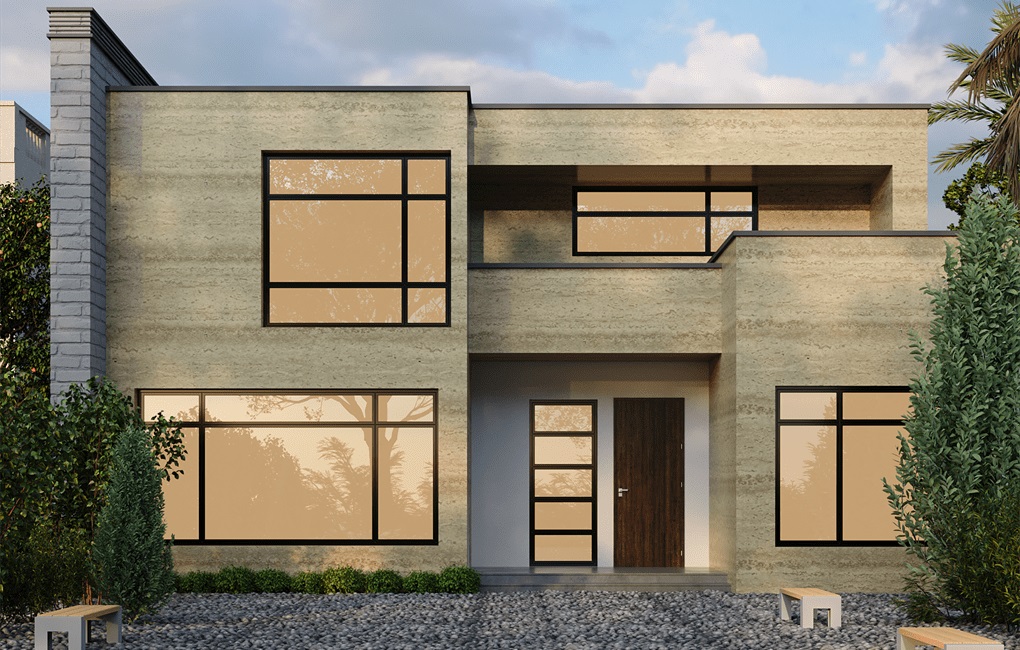
For textured panels, closely examine the print quality. The realism of an engineered stone finish depends on high-definition printing. Poor quality panels will look pixelated or blurry up close. A superior panel will have sharp, distinct veining and depth that convincingly mimics natural material.

Conclusion

Investing time in evaluating these physical properties protects your project’s long-term value. An aluminium panel supplier who delivers on these technical benchmarks is a supplier you can trust.

To see the difference for yourself, explore Alustic’s premium product range and specifications on our official website.
Posted on Leave a comment

Commercial Interiors Using ACP: Office, Mall & Showroom Applications

aluminum composite panel sheet

Traditionally, Aluminium Composite Panels (ACPs) were viewed primarily as an exterior cladding material, the protective skin of a building. However, modern interior design has recognised the potential of ACPs to transform indoor spaces. In commercial environments, where the balance between high-impact aesthetics and extreme durability is critical, ACPs offer a solution that traditional materials like paint, plywood, or heavy stone often cannot match.

From corporate headquarters to high-traffic retail centres, here is how architects are utilising Alustic panels to elevate commercial interiors.

1. Corporate Offices

In a corporate setting, the reception area and boardroom are the physical embodiments of a company’s brand identity. They require clean lines, precise colour matching, and a sense of permanence.

Designers are increasingly moving away from high-maintenance painted drywalls in favour of solid ACP panels. These panels provide a perfectly flat, flawless surface that can be matched to corporate brand colours.

Furthermore, for tech-focused or industrial-style offices, the metal panels offer a sleek, sophisticated finish for column cladding or elevator surrounds, imparting a futuristic and professional atmosphere that standard materials fail to achieve.

2. Retail Showrooms

The goal of any showroom is to highlight the product. The interior environment must catch the eye without overpowering the merchandise.

For retail spaces, lighting and reflection play a massive role. Glossy panels are a favourite among retail designers. The high-gloss finish reflects interior lighting, making smaller boutiques feel more spacious and adding a vibrancy that draws customers in. These ACP wall panels are often used for display shelving, cashier counters, and feature walls behind key products, creating a high-energy environment that stimulates sales.

3. Shopping Malls and Public Spaces

Malls and public concourses face a unique challenge: they must look luxurious while withstanding the wear and tear of thousands of daily visitors. Materials used here must be resistant to impact, scratches, and stains.

Here, the marble panels prove invaluable. Real marble is heavy, porous, and expensive to install on vertical surfaces. Alustic’s marble-finish panels offer the same opulent visual texture, perfect for expansive corridor walls, escalator cladding, and food court pillars, but are lightweight and easy to clean. If an ACP panel is damaged, it can be replaced individually without the dust and disruption associated with masonry work.

4. Partitions and Ceilings

Commercial spaces also need to manage acoustics and visual separation. Open-plan offices often require partitions that provide privacy without feeling sterile.

Using the wood-textured ACP panels for ceiling baffles or room dividers introduces a natural, organic element that softens the harshness of a commercial environment. Unlike real timber, which acts as a fire hazard and requires polishing, these panels are fire-retardant (when specified with an FR core) and require zero maintenance, making them a safe and practical choice for enclosed public spaces.

Conclusion

The transition of ACPs from the exterior to the interior is driven by performance and versatility. Whether creating a branded corporate lobby or a high-end retail experience, these aluminium wall panels provide a finish that is as durable as it is beautiful. To discover how these versatile finishes can transform your next commercial interior project, explore the full collection on the Alustic official website.

Posted on Leave a comment

Top 10 Ways ACP Wall Panels Are Used in Today’s Architectural Designs

best ACP panels in India

ACPs have changed the construction industry forever. They are flexible, eco-friendly, and modern. These panels, made of thermoplastic, are strong, light, and stylish.

There are a number of uses for ACP wall panel systems, such as for sleek corporate facades, stylish interiors, and even transportation. This blog will show you how useful and beautiful ACP wall panels from the best aluminium composite panel suppliers can be by giving you ten ideas for how to use them in modern buildings.

1. Striking building facades

Making the outside of buildings look nice is the most common and appealing use for ACP sheets. These panels have a smooth, shiny finish that makes any building look modern and sleek. These panels come in a lot of different colours and finishes, such as glossy, metallic, matte, and textures that look like wood and marble.

2. New signs and logos for businesses

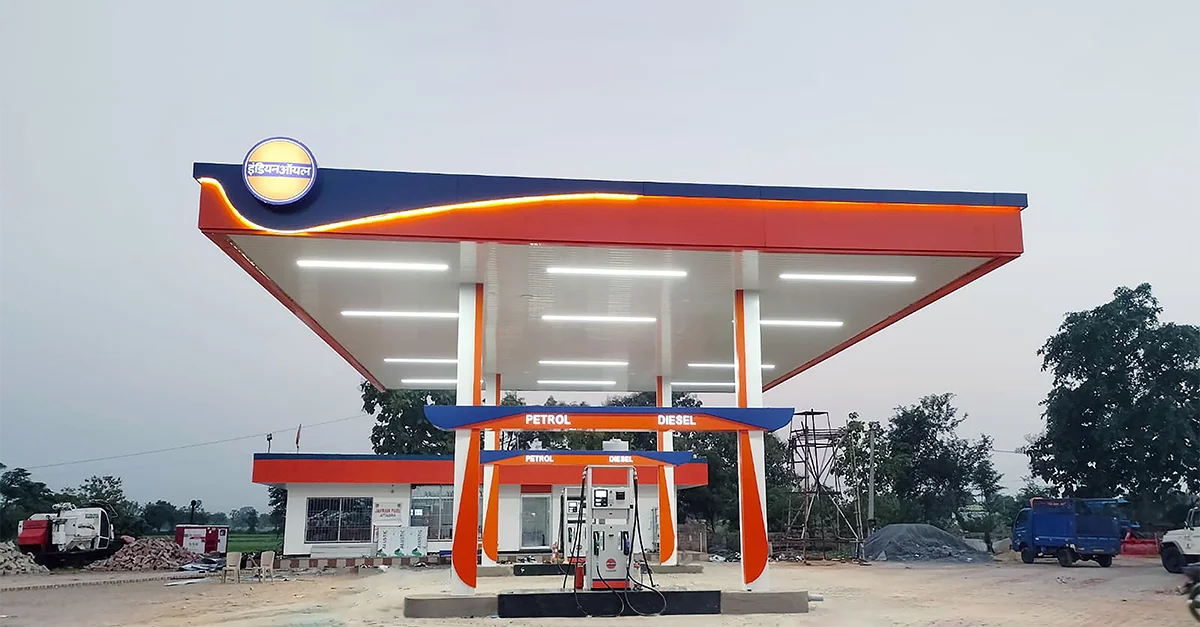
First impressions matter in the cutthroat world of business. Glossy ACP panels are a shiny, long-lasting way to show off signs, brand names, and company logos. Because they are weatherproof, the branding will still be clear and safe even in very bad weather. A lot of businesses choose them because they are easy to make and can be any size or shape.

3. ACP panels to make walls and dividers

Stylish room dividers and wall coverings made from them are becoming increasingly popular. ACP panels from best ACP panels in India are an affordable and stylish way to add interest to walls in lobbies or open-plan offices.

4. False Ceilings

False ceilings are essential for concealing wiring, plumbing, and HVAC systems, but they don’t have to be boring. ACPs offer a creative solution, allowing for multi-level designs, geometric patterns, and seamless integration of lighting fixtures.

5. Kitchen cabinets

The kitchen is the most important room in the house, and ACP panels are making it look and work better. Their versatility makes them ideal for use as countertops, cabinet shutters, and backsplashes in this high-traffic area. They can handle heat, water, and stains. Textures like wood panels can bring warmth to a kitchen without the maintenance of natural wood.

6. Displays in stores and showrooms

There are many ways to use ACP sheets from the best ACP sheet brand in India, which makes them great for making unique retail displays and showroom interiors. Bright colours and finishes can help people remember your brand and get new customers.

7. Covers for beams and columns

Exposed beams and columns can make a room appear less appealing at times. You have the option to conceal these areas of the building with ACP panels to make them look neat and clean.

8. Canopies and Overhangs

ACP panels are a great choice for canopies and overhangs because they protect the building from the sun and rain and give it a sleek, modern look.

9. Custom furniture and more

The durability and lightweight nature of ACPs make them an interesting material for custom furniture design. You can shape these panels to make unique, modern things like reception desks and shelving units that are both strong and stylish.

10. The Transportation Business

You can use ACP for things other than buildings. ACP panels are also utilised in transportation. Its strength and light weight make it ideal for use as interior walls and panels in vehicles such as buses, trains, and boats.

You can make your architectural ideas come to life with Alustic through our wide range of ACP panels. Contact the Alustic team today to get a personalised quote and explore our innovative range of solutions for your design needs.

Posted on Leave a comment

Traditional Cladding vs. ACP Sheets: What’s the Difference?

Traditional Cladding vs. ACP Sheets: What’s the Difference?

For hundreds of years, builders and architects have used different materials to keep buildings safe from the weather and make them look nice. For a long time, people have used bricks, stones, and wood to cover things up. Each one has its pros and cons. But new materials, such as Aluminium Composite Panels (ACP), have made a strong case for a different choice that has its own pros and cons.

The weight and makeup

Brick and stone, often used for siding, are naturally thick and heavy. The weight can change a lot of things about how the building should be made. This usually means that the support systems need to be stronger and cost more. Wood is lighter, but it can rot, get bugs, and needs a lot of care.

The aluminum cladding system, on the other hand, is made of thin sheets of aluminium that are glued to a light core material, like polyethylene.

Making and putting up

It can take a long time and a lot of work to put up traditional cladding materials. You need to be good at laying bricks and working with stone, and the weather can make it harder for them to do their jobs.

On the other hand, the best ACP sheets in India are very flexible and can be cut, bent, folded, and drilled to fit your needs. They are cheap and go up quickly because they are light and easy to make.

What it looks like and how to change it

Classic materials look classic, but they might not be the best choice for a design. It can be hard and expensive to make brick or stone curves or patterns that are hard to understand. Some people might not like wood in modern buildings because it bends more easily.

Architects can use ACP from the best ACP sheet brand in India, to make beautiful, one-of-a-kind facades because it comes in many different colours, finishes such as metallic, wood, and marble, and sizes. You can also easily change their shape, which can help you come up with new ways to make things.

It’s easy to care for and lasts a long time

Everyone knows that brick and stone are great siding materials because of how long they last. But the elements can wear them down, discolour them, and even crack them over time.

Weather, UV rays, and rust will not damage ACP panels, ensuring that they will remain in good condition for an extended period. All it takes to keep them looking good is an occasional cleaning.

What You Get for Your Money

At first, the prices of traditional cladding materials can be very different. Brick might be cheaper at first, but some natural stones can be very expensive. But when you add up the costs of installation, structural support, and long-term maintenance, aluminium composite panel cladding is usually the cheaper choice. It is easier to install, weighs less, and doesn’t need a lot of maintenance, so the product lasts longer and costs less.

Giving back to nature

Sustainability has emerged as a key concept due to the growing environmental consciousness of the general public. At Alustic, we understand this concern and provide a wide range of eco-friendly panels. Choosing the right cladding material is a big choice that will change how a building looks, works, and costs.

Check out Alustic’s many different ACP cladding options to find the one that will work best for your next job.