Posted on Leave a comment

Commercial Interiors Using ACP: Office, Mall & Showroom Applications

aluminum composite panel sheet

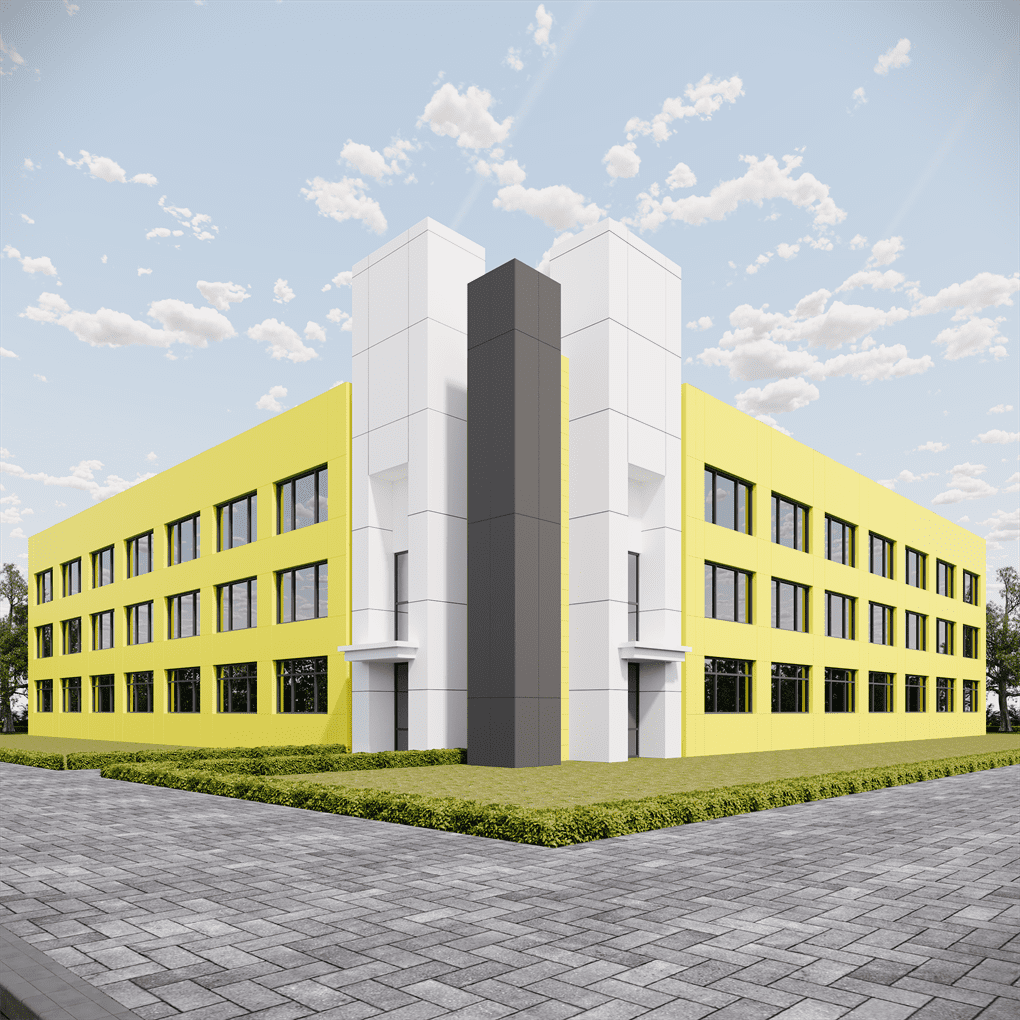
Traditionally, Aluminium Composite Panels (ACPs) were viewed primarily as an exterior cladding material, the protective skin of a building. However, modern interior design has recognised the potential of ACPs to transform indoor spaces. In commercial environments, where the balance between high-impact aesthetics and extreme durability is critical, ACPs offer a solution that traditional materials like paint, plywood, or heavy stone often cannot match.

From corporate headquarters to high-traffic retail centres, here is how architects are utilising Alustic panels to elevate commercial interiors.

1. Corporate Offices

In a corporate setting, the reception area and boardroom are the physical embodiments of a company’s brand identity. They require clean lines, precise colour matching, and a sense of permanence.

Designers are increasingly moving away from high-maintenance painted drywalls in favour of solid ACP panels. These panels provide a perfectly flat, flawless surface that can be matched to corporate brand colours.

Furthermore, for tech-focused or industrial-style offices, the metal panels offer a sleek, sophisticated finish for column cladding or elevator surrounds, imparting a futuristic and professional atmosphere that standard materials fail to achieve.

2. Retail Showrooms

The goal of any showroom is to highlight the product. The interior environment must catch the eye without overpowering the merchandise.

For retail spaces, lighting and reflection play a massive role. Glossy panels are a favourite among retail designers. The high-gloss finish reflects interior lighting, making smaller boutiques feel more spacious and adding a vibrancy that draws customers in. These ACP wall panels are often used for display shelving, cashier counters, and feature walls behind key products, creating a high-energy environment that stimulates sales.

3. Shopping Malls and Public Spaces

Malls and public concourses face a unique challenge: they must look luxurious while withstanding the wear and tear of thousands of daily visitors. Materials used here must be resistant to impact, scratches, and stains.

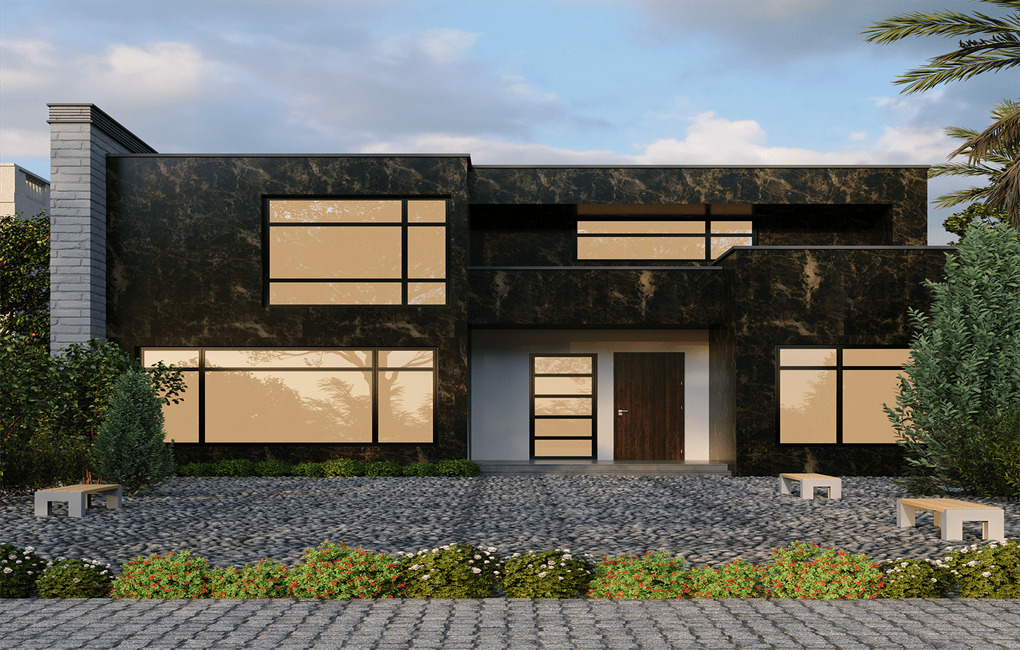
Here, the marble panels prove invaluable. Real marble is heavy, porous, and expensive to install on vertical surfaces. Alustic’s marble-finish panels offer the same opulent visual texture, perfect for expansive corridor walls, escalator cladding, and food court pillars, but are lightweight and easy to clean. If an ACP panel is damaged, it can be replaced individually without the dust and disruption associated with masonry work.

4. Partitions and Ceilings

Commercial spaces also need to manage acoustics and visual separation. Open-plan offices often require partitions that provide privacy without feeling sterile.

Using the wood-textured ACP panels for ceiling baffles or room dividers introduces a natural, organic element that softens the harshness of a commercial environment. Unlike real timber, which acts as a fire hazard and requires polishing, these panels are fire-retardant (when specified with an FR core) and require zero maintenance, making them a safe and practical choice for enclosed public spaces.

Conclusion

The transition of ACPs from the exterior to the interior is driven by performance and versatility. Whether creating a branded corporate lobby or a high-end retail experience, these aluminium wall panels provide a finish that is as durable as it is beautiful. To discover how these versatile finishes can transform your next commercial interior project, explore the full collection on the Alustic official website.
Posted on Leave a comment

ACP Sheet Thickness Explained: How to Choose the Right One for Your Project

ACP Sheet Thickness Explained: How to Choose the Right One for Your Project

When selecting Aluminium Composite Panels (ACPs), most people focus immediately on the finish, a sleek metallic silver or a warm wooden texture. While aesthetics are important, the most critical technical decision you will make is selecting the right thickness.

A panel that is too thin for an exterior façade can warp or bow under wind pressure, while using a heavy-duty panelfor a kitchen cabinet is often an extra expense. Understanding the specifications ensures you get the best performance and value for your investment.

Here is a guide to navigating ACP thickness and choosing the right ACP wall panel for your application.

Understanding the Two Key Measurements

When looking at ACP specifications, you will typically see two distinct numbers. It is vital to understand the difference:

  1. Panel Thickness (e.g., 3mm, 4mm): This is the total thickness of the sheet, including the core and both aluminium skins.
  2. Aluminium Coil Thickness (e.g., 0.25mm, 0.50mm): This refers to the thickness of the ACP sheets themselves before they are bonded to the core.

3 mm vs. 4 mm: The Standard Choice

The industry standard generally divides panels into two main categories based on total thickness: 3 mm and 4 mm.

1. The 3 mm Panel

Best For: Interiors, Signage, Modular Kitchens, and Low-Rise Cladding.

A 3 mm panel is lighter and more flexible. In controlled interior environments where wind load and thermal expansion are not major factors, 3 mm is the ideal choice. It provides a perfectly flat surface for printing or decoration without the bulk of a thicker sheet.

Application: 3 mm panels, such as those from the Alustic Marble Series, work well for interior aluminium wall cladding or column wrapping. The lighter weight makes installation in tight interior spaces significantly easier.

2. The 4 mm Panel

Best For: Exterior Facades, High-Rise Buildings, and Large Spans.

Once you move outdoors, the 4 mm exterior aluminium composite panel becomes the standard requirement. The extra thickness (usually in the core) provides greater rigidity. This is crucial for resisting wind pressure and preventing “oil canning”, a phenomenon where a panel looks wavy or distorted.

Application: For a multi-storey commercial building, you need the structural integrity of a 4 mm sheet. This is typically where you would utilise the Alustic Solid Series or the Alustic Metal Series. These panels are engineered to remain flat and secure even under the stress of heavy winds and changing temperatures.

The Hidden Factor: Coil Thickness

After choosing between 3 mm and 4 mm, choosing the thickness of the aluminium skin (the coil) is equally important.

  • 0.25 mm Skin: Often used with 3 mm panels for interiors or budget-friendly exterior signage.
  • 0.50 mm Skin: The gold standard for premium exterior architecture. A thicker aluminium skin offers superior impact resistance and flatness.

Application: If you are designing a premium façade using our Alustic Wood Series to accent a building exterior, opting for a thicker skin ensures the surface remains undistorted and pristine for years.

Conclusion

There is no “best” thickness, only the “right” thickness for the job Matching the specification to the application ensures safety, longevity, and visual perfection. To view the detailed technical specifications of our various grades, visit the Alustic official website.
Posted on Leave a comment

Best Practices for Cutting and Handling Aluminium Composite Panels

Aluminium Composite Panel

Selecting the right Aluminium Composite Panel is the first step to an exceptional design. Whether it’s a sheet from the sophisticated Alustic Wood Series for a warm interior or a vibrant colour from the Solid Series for a modern façade, the project’s final quality ultimately depends on the fabrication.

ACPs are engineered to be durable, yet they are high-finish products. Correct handling and cutting techniques are essential to achieve a professional, flawless installation. This guide outlines the best practices for fabrication.

Proper Storage and Handling

Before construction begins, proper storage is crucial to protect the panel’s finish.

  • Maintain the Protective Film: The peel-off film is the primary defence against scratches and scuffs. This film should remain on the panel for the entire fabrication process, right up until the final installation is complete.
  • Store Panels Flat: The best ACP panels in India must always be stored flat on a pallet or a clean, level surface. Storing them at an angle or leaning them against a wall for extended periods can cause the panels to bow or warp.
  • Do Not Drag Panels: Panels must be lifted, not dragged, from a stack. Even with the film on, abrasive grit can get trapped and scratch the surface of the panel below. Always lift panels with two people to ensure they are handled safely.

Precision Cutting: Tools and Techniques

A clean, precise cut is the hallmark of a professional installation; a jagged or messy edge is difficult to conceal. Using the right tool and blade is essential.

  • For Straight Cuts (Circular Saw): A circular saw is the most common tool for straight-line cutting. Success depends entirely on the blade. You must use a fine-toothed, carbide-tipped blade specifically designed for non-ferrous metals or plastics. A standard wood-cutting blade is too coarse and will tear the aluminium, resulting in a poor finish. Always clamp a guide rail to the panel to ensure a perfectly straight cut.
  • For Curves and Cutouts (Jigsaw): For complex shapes or cutouts (e.g., for electrical outlets or pipes), a jigsaw is the appropriate tool. As with the circular saw, use a fine-toothed blade intended for metal. Operate the saw at a steady, slow speed to prevent the blade from wandering and ensure a clean edge.

The Art of Fabrication: Routing and Folding

One of the greatest advantages of ACPs is their ability to be folded into sharp, 90-degree corners. This is how fabricators clad columns or create fascia boxes that appear to be made from a single, solid piece of metal.

The technique is called “routing”. Using a router with a specialised ‘V-groove’ bit, a groove is cut into the back of the panel. This cut removes the rear aluminium skin and most of the core, leaving the top aluminium skin and protective film intact. The panel can then be easily folded by hand into a perfect, crisp corner. It is this method that allows a product like the Alustic Metal Series to wrap flawlessly around structural elements.

The Final Step: The Big Reveal

The protective film should only be removed after the Aluminum wall panel is fully installed and all surrounding work (like silicone application or painting) is complete. Peeling the film too early exposes the finished surface to potential damage from tools, adhesives, or other construction activities.

Following these fabrication and handling standards ensures that the final installation matches the high-quality aesthetic of the panels selected.

To start your next project, explore our full range of captivating finishes on the Alustic website. Let us help you create a design that is built to last.

Posted on Leave a comment

How to Achieve the Luxury Look: Design Tips Using Marble and Wood Finish ACP Sheets

top ACP brand in India

In high-end architecture, the impression of luxury is often conveyed through the use of classic, premium materials. The timeless elegance of marble and the rich, organic warmth of natural wood are foundational elements of sophisticated design. However, these traditional materials present significant practical and financial challenges, including high costs, substantial weight, and demanding, long-term maintenance.

Aluminium Composite Panels (ACPs) from the top ACP brand in India offer a modern, highly effective solution. They provide the same opulent aesthetic and visual appeal without the inherent drawbacks, empowering designers to achieve a luxury look that is both durable and attainable.

The Timeless Elegance of Marble

Marble embodies grandeur. It’s cool, grand, and makes a powerful statement. But instead of the cost and fragility of a real slab, you can get the same “wow” factor with advanced composite panels.

Our Aluminum wall panel collections, like the Alustic Marble Series, replicate the deep, intricate veining of real stone but in a lightweight, waterproof, and incredibly easy-to-clean form.

Where to use it for a luxury feel:

  • Statement Interior Walls: Create a floor-to-ceiling feature wall in a living room, master bedroom, or commercial lobby. It provides a stunning, seamless backdrop that feels incredibly grand.
  • Kitchen Backsplashes & Islands: This is a perfect application. You get the look of a luxury stone kitchen, but with a surface that’s non-porous. Unlike real marble, it won’t stain from coffee, wine, or spices.
  • Bathroom & Wet Areas: Clad a shower wall or an entire bathroom in marble-finish ACPs for the ultimate spa-like feel, with no grout lines to scrub and zero fear of water damage.
  • Luxe Exteriors: Use them to create a formidable, impressive entrance or to clad the columns of a high-end commercial building for a look that exudes permanence and class.

The Rich, Natural Warmth of Wood

If marble provides drama, wood provides soul. It’s the material that adds warmth, texture, and a connection to nature. It can be rustic, modern, or sophisticated, but it’s always inviting.

Using engineered panels, such as those from our Alustic Wood Series, allows you to bring this ambiance to places you never could before. You get the realistic grain and texture without any risk of warping, fading, or termite issues.

Where to use it for a luxury feel:

  • Kitchen Cabinets: This is a game-changer. Get that sleek, minimalist-scandi kitchen or a warm, modern farmhouse look with wood-grain cabinets that are completely waterproof and won’t be damaged by steam or splashes.
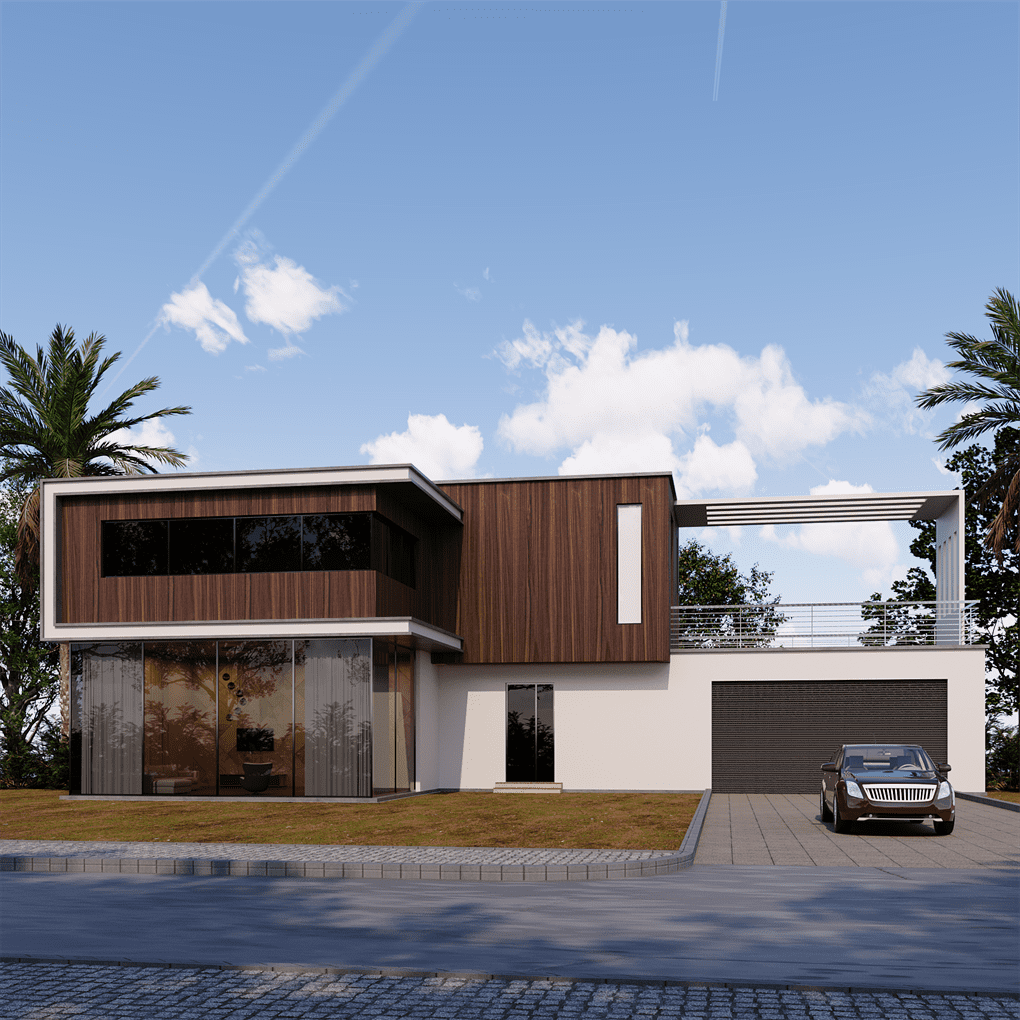
  • Exterior Façade Accents: Real wood on an exterior is a maintenance nightmare. ACPs let you clad sections of a façade in a beautiful wood finish to add warmth and contrast to stone or render, and it will look perfect for years.
  • Ceilings and Soffits: One of the most high-end design moves is to clad a ceiling, especially on a porch, balcony, or portico. A wood-finish ACP ceiling adds incredible architectural detail and warmth.
  • Interior Accent Walls: A wood-panelled wall behind a bed or in a home office creates an instant sense of cosy sophistication and breaks up the monotony of plain painted walls.

With marble and wood finish ACP sheets in India, you no longer have to choose between your dream design and a practical, long-lasting material. You can finally have both.

Ready to bring that luxurious look to your next project? Explore our full range of sophisticated finishes on the Alustic website, and let’s design something truly stunning together.

Posted on Leave a comment

How to Choose Aluminium Composite Panels (ACP) in 2025: A Complete Guide

aluminum wall panel

Architecture is smarter, sleeker, and better for the environment than ever before in 2025. We’re not just putting up buildings; we’re making statements that need to look good and last. The aluminium composite panel is at the centre of this movement. It is a flexible material that can cover everything from sleek modern homes to huge corporate headquarters.

But how do you know which one to choose when there are so many? This guide will show you exactly what to look for if you want to buy aluminium composite panel solutions from the top ACP brand in India this year.

Fire safety comes first: A non-negotiable

First, let’s talk about the most important thing: safety. Building rules are stricter than ever in 2025, and fire safety is at the top of the list. The core of an ACP sheet is very important in this case. Standard panels are fine for some low-rise uses, but fire-retardant (FR) cores are necessary for high-rise buildings and public spaces.

Always ask about the fire rating of an aluminum wall panel before you buy it. Find panels with a core full of minerals that stop flames from spreading. A good manufacturer will be open about their safety certifications, which will make you feel better about using safe materials.

Finish that fits your architectural vision

The finish on an aluminium composite panel is what makes it so special. This is what makes your design real, and in 2025, there will be no limits to what you can do. Here are some of the options that help you realise your aesthetic vision:

  • Do you want the warmth of wood without having to take care of it? Modern ACPs look and feel just like real materials. A high-quality wooden series can give a building a warm, inviting feel that makes it feel connected to nature.
  • If you want a look that is both modern and active, metallic finishes are the way to go. They change the way light hits them and give any facade a sleek, industrial look. For designs that are clean, modern, and high-tech, look at the Metal Series.
  • Timeless and flexible, solid and glossy panels give a clean, even look that works well for both bold colour statements and simple designs.

Technical Specs: Prioritise quality

It’s nice to have a beautiful finish, but the exterior aluminium composite panel’s strength is what makes sure your project lasts. Check this before finalising a panel:

  • Coil Thickness: The “skin” of the panel is made of aluminium coils. For good impact resistance and long life, a thickness of 0.25 mm to 0.50 mm is usually best.
  • Coating: Look for panels with a PVDF (Polyvinylidene Fluoride) coating, especially for the outside. It is much better at blocking UV rays, chalking, and pollution, which keeps your colours bright for years.
  • Certifications: Check for certifications to verify the quality. ISO certifications show that a brand is serious about safety, quality management, and environmental standards. You can trust a brand that proudly shows off its certificates.

How to Find the Best ACP Panels in India

In the end, it’s not just the product that matters when looking for the best ACP panels in India; it’s also the partner. Pick a company that has a good name, a full warranty, and a promise to help customers. The panels themselves are not as important as how you feel about the brand.

Are you ready to make something great in 2025? To start, pick a material that is safe, beautiful, and has been certified as high quality. Here we are, and we meet all the requirements for your service. Find our collections at Alustic to find the best ACP solution for your creative project.

Posted on Leave a comment

Top 10 Ways ACP Wall Panels Are Used in Today’s Architectural Designs

best ACP panels in India

ACPs have changed the construction industry forever. They are flexible, eco-friendly, and modern. These panels, made of thermoplastic, are strong, light, and stylish.

There are a number of uses for ACP wall panel systems, such as for sleek corporate facades, stylish interiors, and even transportation. This blog will show you how useful and beautiful ACP wall panels from the best aluminium composite panel suppliers can be by giving you ten ideas for how to use them in modern buildings.

1. Striking building facades

Making the outside of buildings look nice is the most common and appealing use for ACP sheets. These panels have a smooth, shiny finish that makes any building look modern and sleek. These panels come in a lot of different colours and finishes, such as glossy, metallic, matte, and textures that look like wood and marble.

2. New signs and logos for businesses

First impressions matter in the cutthroat world of business. Glossy ACP panels are a shiny, long-lasting way to show off signs, brand names, and company logos. Because they are weatherproof, the branding will still be clear and safe even in very bad weather. A lot of businesses choose them because they are easy to make and can be any size or shape.

3. ACP panels to make walls and dividers

Stylish room dividers and wall coverings made from them are becoming increasingly popular. ACP panels from best ACP panels in India are an affordable and stylish way to add interest to walls in lobbies or open-plan offices.

4. False Ceilings

False ceilings are essential for concealing wiring, plumbing, and HVAC systems, but they don’t have to be boring. ACPs offer a creative solution, allowing for multi-level designs, geometric patterns, and seamless integration of lighting fixtures.

5. Kitchen cabinets

The kitchen is the most important room in the house, and ACP panels are making it look and work better. Their versatility makes them ideal for use as countertops, cabinet shutters, and backsplashes in this high-traffic area. They can handle heat, water, and stains. Textures like wood panels can bring warmth to a kitchen without the maintenance of natural wood.

6. Displays in stores and showrooms

There are many ways to use ACP sheets from the best ACP sheet brand in India, which makes them great for making unique retail displays and showroom interiors. Bright colours and finishes can help people remember your brand and get new customers.

7. Covers for beams and columns

Exposed beams and columns can make a room appear less appealing at times. You have the option to conceal these areas of the building with ACP panels to make them look neat and clean.

8. Canopies and Overhangs

ACP panels are a great choice for canopies and overhangs because they protect the building from the sun and rain and give it a sleek, modern look.

9. Custom furniture and more

The durability and lightweight nature of ACPs make them an interesting material for custom furniture design. You can shape these panels to make unique, modern things like reception desks and shelving units that are both strong and stylish.

10. The Transportation Business

You can use ACP for things other than buildings. ACP panels are also utilised in transportation. Its strength and light weight make it ideal for use as interior walls and panels in vehicles such as buses, trains, and boats.

You can make your architectural ideas come to life with Alustic through our wide range of ACP panels. Contact the Alustic team today to get a personalised quote and explore our innovative range of solutions for your design needs.