
Posted on Leave a comment

How to Evaluate ACP Panel Quality Before Finalizing a Supplier

top acp brand in india

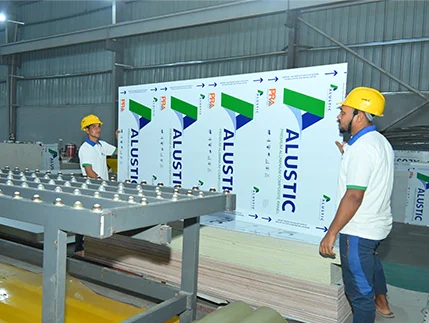
In the construction industry, a glossy brochure or a digital render can look perfect, but it doesn’t always tell the whole story. With the market flooded with Aluminium Composite Panel (ACP) suppliers, distinguishing between a high-performance panel and a subpar substitute is critical. A poor choice can lead to delamination, fading colours, or warping facades within just a few years.

Here are four practical ways to assess aluminium composite panel quality to ensure you are choosing a material that will stand the test of time.

1. The Surface Inspection: Flatness and Consistency

The first test is visual. A high-quality ACP should be perfectly flat. Hold a sample up to the light and look across the surface. You are checking for “oil canning”, which are wavy distortions that ruin the aesthetic of a building.

Next, check for colour consistency. If you are ordering a solid colour panel, such as a vibrant red or blue, make sure there are no visible flow lines, bubbles, or scratches on the coating.

2. The Coating Quality: Thickness and Texture

Not all paints are created equal. For aluminium exterior panels, the thickness and type of coating determine how long the building will look new.

For metallic panels, the texture should be uniform. High-quality manufacturers use advanced roller coating systems (often PVDF for exteriors) that provide a smooth, consistent layer which resists chalking and fading from UV exposure. If the surface feels rough or gritty, it may indicate a poor painting environment or inferior resin quality.

3. The Core Test: Flexibility

The core of the panel is the material sandwiched between the aluminium skins, which is its structural backbone. A simple physical test can reveal a lot about the core’s quality.

Try to bend a small sample piece. A high-quality Low-Density Polyethylene (LDPE) core should be flexible and resilient. It should allow for bending without the aluminium skin cracking or the core snapping brittlely. This flexibility is vital for fabrication processes like routing and folding.

If you are using textured panels for complex architectural details, such as wrapping columns, a brittle core will make a clean 90-degree fold impossible and may lead to cracking during installation.

4. Peel Strength: Danger of Delamination

One of the most common failures in ACPs is delamination, where the aluminium skin peels away from the core. This is determined by “peel strength”.

While you cannot easily test this in an office, you can inspect the edge of the sample. Try to separate the aluminium from the core using pliers. In a high-quality acp panel, this should be extremely difficult, and the core should tear rather than separate cleanly from the metal. This strong bond is crucial for panels used in high-traffic or high-wind areas.

5. Print Definition

For textured panels, closely examine the print quality. The realism of an engineered stone finish depends on high-definition printing. Poor quality panels will look pixelated or blurry up close. A superior panel will have sharp, distinct veining and depth that convincingly mimics natural material.

Conclusion

Investing time in evaluating these physical properties protects your project’s long-term value. An aluminium panel supplier who delivers on these technical benchmarks is a supplier you can trust.

To see the difference for yourself, explore Alustic’s premium product range and specifications on our official website.
Posted on Leave a comment

Best Practices for Cutting and Handling Aluminium Composite Panels

Aluminium Composite Panel

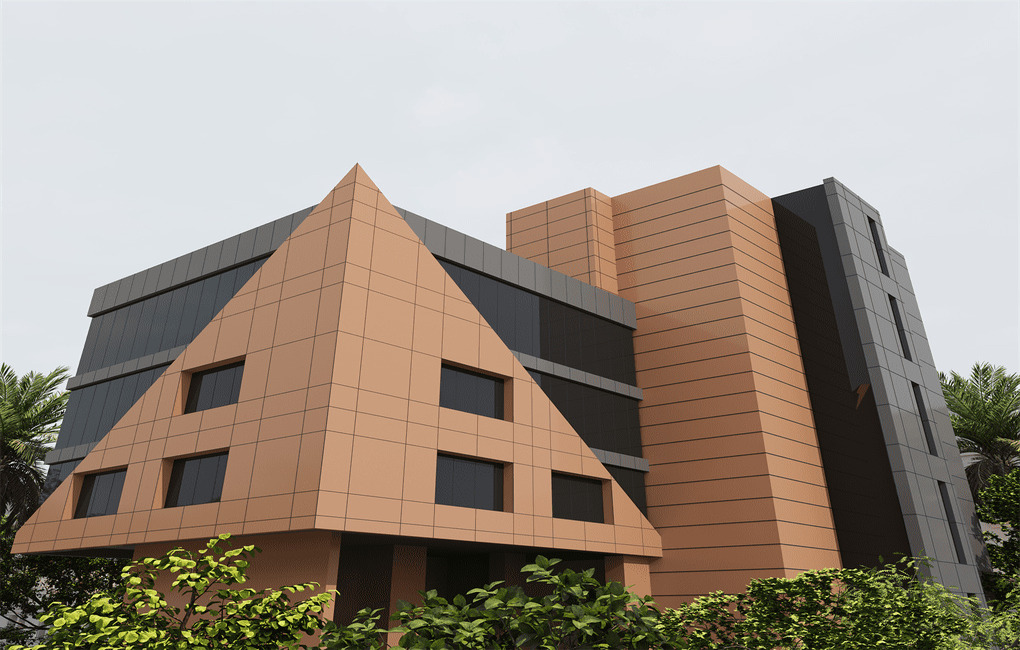
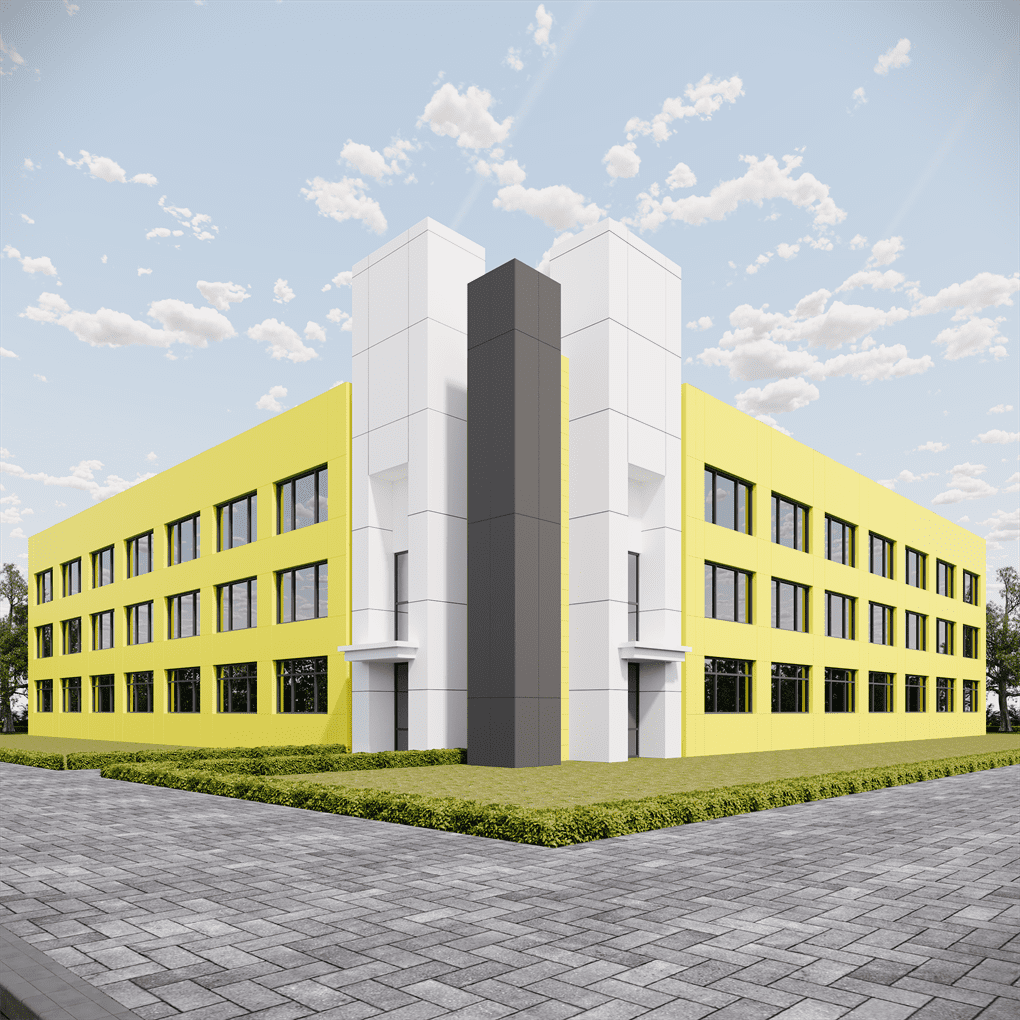
Selecting the right Aluminium Composite Panel is the first step to an exceptional design. Whether it’s a sheet from the sophisticated Alustic Wood Series for a warm interior or a vibrant colour from the Solid Series for a modern façade, the project’s final quality ultimately depends on the fabrication.

ACPs are engineered to be durable, yet they are high-finish products. Correct handling and cutting techniques are essential to achieve a professional, flawless installation. This guide outlines the best practices for fabrication.

Proper Storage and Handling

Before construction begins, proper storage is crucial to protect the panel’s finish.

  • Maintain the Protective Film: The peel-off film is the primary defence against scratches and scuffs. This film should remain on the panel for the entire fabrication process, right up until the final installation is complete.
  • Store Panels Flat: The best ACP panels in India must always be stored flat on a pallet or a clean, level surface. Storing them at an angle or leaning them against a wall for extended periods can cause the panels to bow or warp.
  • Do Not Drag Panels: Panels must be lifted, not dragged, from a stack. Even with the film on, abrasive grit can get trapped and scratch the surface of the panel below. Always lift panels with two people to ensure they are handled safely.

Precision Cutting: Tools and Techniques

A clean, precise cut is the hallmark of a professional installation; a jagged or messy edge is difficult to conceal. Using the right tool and blade is essential.

  • For Straight Cuts (Circular Saw): A circular saw is the most common tool for straight-line cutting. Success depends entirely on the blade. You must use a fine-toothed, carbide-tipped blade specifically designed for non-ferrous metals or plastics. A standard wood-cutting blade is too coarse and will tear the aluminium, resulting in a poor finish. Always clamp a guide rail to the panel to ensure a perfectly straight cut.
  • For Curves and Cutouts (Jigsaw): For complex shapes or cutouts (e.g., for electrical outlets or pipes), a jigsaw is the appropriate tool. As with the circular saw, use a fine-toothed blade intended for metal. Operate the saw at a steady, slow speed to prevent the blade from wandering and ensure a clean edge.

The Art of Fabrication: Routing and Folding

One of the greatest advantages of ACPs is their ability to be folded into sharp, 90-degree corners. This is how fabricators clad columns or create fascia boxes that appear to be made from a single, solid piece of metal.

The technique is called “routing”. Using a router with a specialised ‘V-groove’ bit, a groove is cut into the back of the panel. This cut removes the rear aluminium skin and most of the core, leaving the top aluminium skin and protective film intact. The panel can then be easily folded by hand into a perfect, crisp corner. It is this method that allows a product like the Alustic Metal Series to wrap flawlessly around structural elements.

The Final Step: The Big Reveal

The protective film should only be removed after the Aluminum wall panel is fully installed and all surrounding work (like silicone application or painting) is complete. Peeling the film too early exposes the finished surface to potential damage from tools, adhesives, or other construction activities.

Following these fabrication and handling standards ensures that the final installation matches the high-quality aesthetic of the panels selected.

To start your next project, explore our full range of captivating finishes on the Alustic website. Let us help you create a design that is built to last.