
Posted on Leave a comment

Using ACP Panels to Achieve Minimalist Building Facades

best acp panels in india

In modern architecture, minimalism is more than just a trend; it is a design philosophy rooted in clarity, purpose, and precision. The goal is to strip away the unnecessary, leaving a structure that speaks through its form and materials. Achieving this look requires a façade material that offers absolute flatness, crisp lines, and uniform colour.

This is why Aluminium Composite Panels (ACPs) have become the material of choice for minimalist exteriors. Unlike plaster, which can crack or have uneven texture, or stone, which varies visually, ACPs provide the clean, engineered perfection that minimalism demands.

Here is how to utilise Alustic panels to create a stunning, understated façade.

1. The Monochromatic Statement

Minimalism often relies on a restrained colour palette, typically whites, greys, and blacks, to emphasise the building’s geometry. The success of this look depends entirely on the consistency of the colour and the smoothness of the surface.

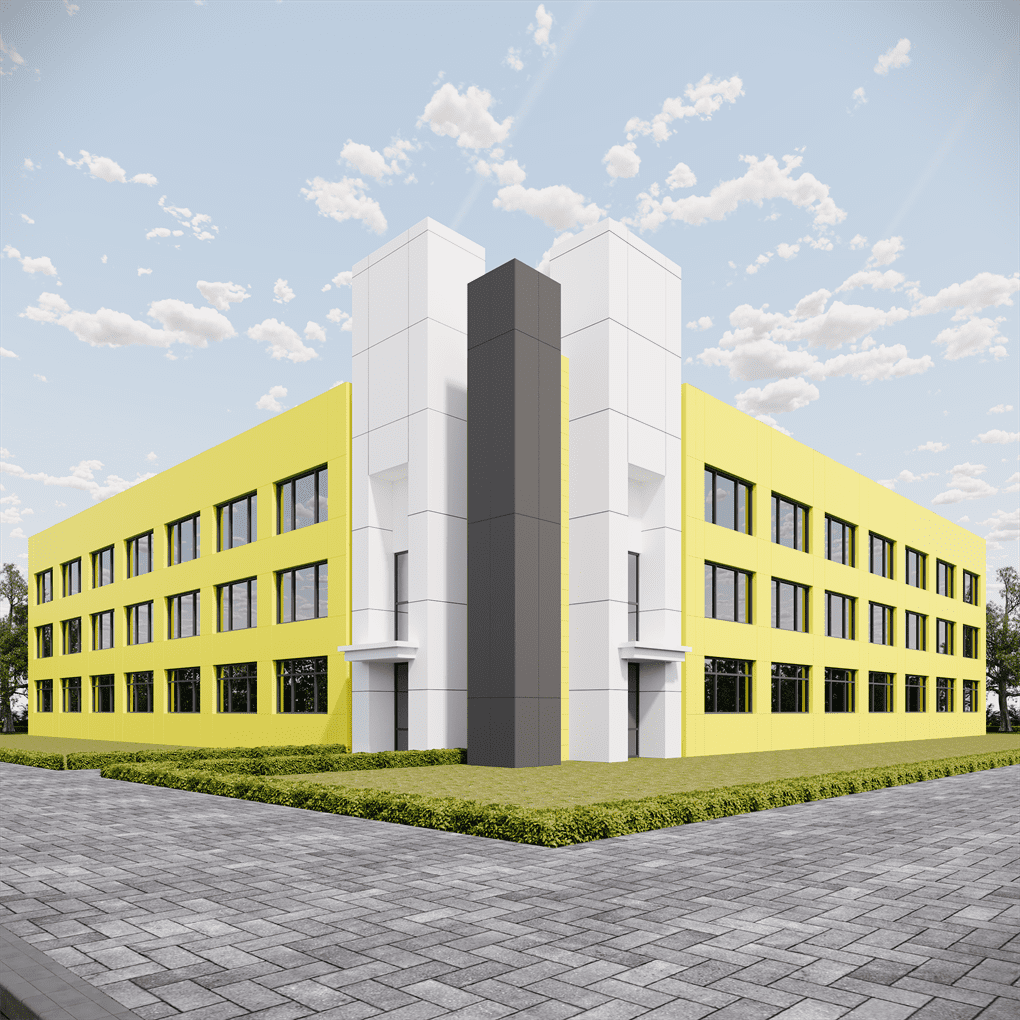
Using Solid Panels allow architects to create large, uninterrupted fields of colour. A facade of aluminium cladding in “Pure White” or “Jet Black” creates a dramatic, monolithic appearance. The panels can be cut into large rectangular formats with narrow joints, minimising visual clutter and allowing the building’s shape to take centre stage.

2. Industrial Sophistication

Minimalism often intersects with industrial design, celebrating raw materials and metallic textures. However, using raw steel or aluminium can be heavy and difficult to maintain.

Metal panels offer the perfect solution. These exterior aluminium composite panels reflect light subtly, giving the building a dynamic appearance that changes throughout the day without needing ornate details.

3. “Warm” Minimalism

One common criticism of minimalism is that it can feel cold or sterile. To counter this, many designers are adopting “Soft Minimalism” or “Japandi” styles, which blend clean lines with natural textures.

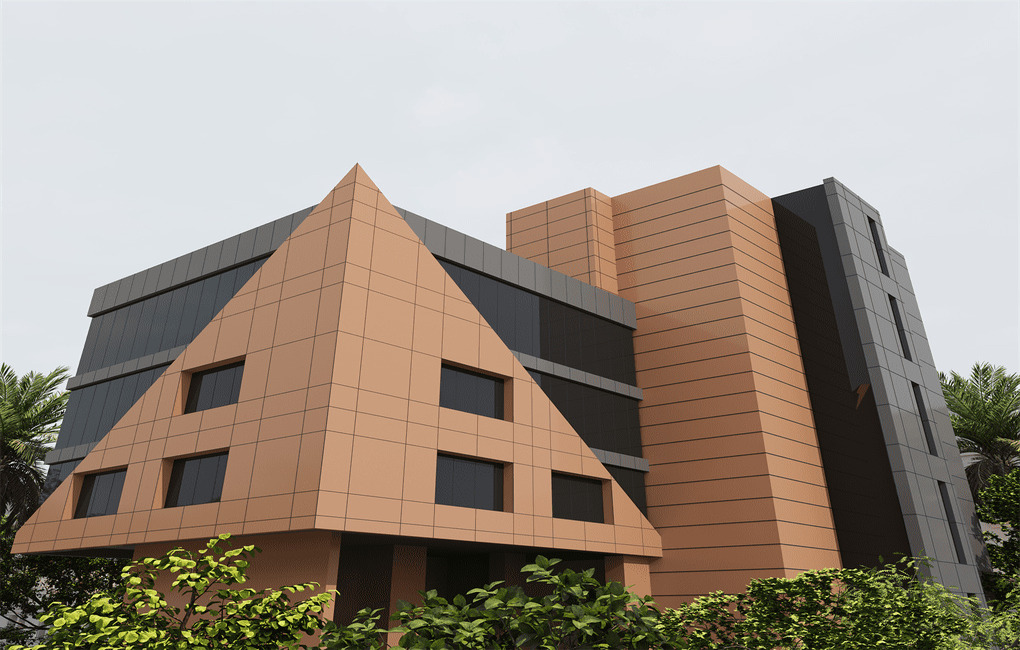
This is where the wood panels are invaluable. By incorporating a wood-finish panel as an accent, perhaps on a soffit, an entry portal, or a single vertical strip against a white wall, you introduce warmth and organic texture. This maintains the clean, modern lines of the structure while making the building feel more inviting and grounded.

4. Precision in the Details

In a minimalist design, there is nowhere to hide. Imperfections like wavy walls (oil canning) or uneven gaps become glaringly obvious.

High-quality ACPs are engineered for rigidity. When installed correctly using a tray system, they ensure the façade remains perfectly flat. Furthermore, ACPs allow for crisp, 90-degree corner folds. This eliminates the need for bulky corner trims or flashings that disrupt the building’s silhouette. The result is a seamless transition from one elevation to the next, maintaining the illusion of a solid block.

Conclusion

Minimalism is not about the absence of design; it is about the perfection of what remains. By selecting the right high-performance aluminium composite panel, you ensure that your building’s simplicity is its greatest strength.

To find the perfect finish for your minimalist project, explore the clean and contemporary options on the Alustic official website.
Posted on Leave a comment

Best Practices for Cutting and Handling Aluminium Composite Panels

Aluminium Composite Panel

Selecting the right Aluminium Composite Panel is the first step to an exceptional design. Whether it’s a sheet from the sophisticated Alustic Wood Series for a warm interior or a vibrant colour from the Solid Series for a modern façade, the project’s final quality ultimately depends on the fabrication.

ACPs are engineered to be durable, yet they are high-finish products. Correct handling and cutting techniques are essential to achieve a professional, flawless installation. This guide outlines the best practices for fabrication.

Proper Storage and Handling

Before construction begins, proper storage is crucial to protect the panel’s finish.

  • Maintain the Protective Film: The peel-off film is the primary defence against scratches and scuffs. This film should remain on the panel for the entire fabrication process, right up until the final installation is complete.
  • Store Panels Flat: The best ACP panels in India must always be stored flat on a pallet or a clean, level surface. Storing them at an angle or leaning them against a wall for extended periods can cause the panels to bow or warp.
  • Do Not Drag Panels: Panels must be lifted, not dragged, from a stack. Even with the film on, abrasive grit can get trapped and scratch the surface of the panel below. Always lift panels with two people to ensure they are handled safely.

Precision Cutting: Tools and Techniques

A clean, precise cut is the hallmark of a professional installation; a jagged or messy edge is difficult to conceal. Using the right tool and blade is essential.

  • For Straight Cuts (Circular Saw): A circular saw is the most common tool for straight-line cutting. Success depends entirely on the blade. You must use a fine-toothed, carbide-tipped blade specifically designed for non-ferrous metals or plastics. A standard wood-cutting blade is too coarse and will tear the aluminium, resulting in a poor finish. Always clamp a guide rail to the panel to ensure a perfectly straight cut.
  • For Curves and Cutouts (Jigsaw): For complex shapes or cutouts (e.g., for electrical outlets or pipes), a jigsaw is the appropriate tool. As with the circular saw, use a fine-toothed blade intended for metal. Operate the saw at a steady, slow speed to prevent the blade from wandering and ensure a clean edge.

The Art of Fabrication: Routing and Folding

One of the greatest advantages of ACPs is their ability to be folded into sharp, 90-degree corners. This is how fabricators clad columns or create fascia boxes that appear to be made from a single, solid piece of metal.

The technique is called “routing”. Using a router with a specialised ‘V-groove’ bit, a groove is cut into the back of the panel. This cut removes the rear aluminium skin and most of the core, leaving the top aluminium skin and protective film intact. The panel can then be easily folded by hand into a perfect, crisp corner. It is this method that allows a product like the Alustic Metal Series to wrap flawlessly around structural elements.

The Final Step: The Big Reveal

The protective film should only be removed after the Aluminum wall panel is fully installed and all surrounding work (like silicone application or painting) is complete. Peeling the film too early exposes the finished surface to potential damage from tools, adhesives, or other construction activities.

Following these fabrication and handling standards ensures that the final installation matches the high-quality aesthetic of the panels selected.

To start your next project, explore our full range of captivating finishes on the Alustic website. Let us help you create a design that is built to last.