Posted on Leave a comment

How to Select ACP That Withstands Extreme Weather Across India’s Climate Zones

How to Select ACP That Withstands Extreme Weather Across India's Climate Zones

India is geographically unique. In a single country, we experience the scorching dry heat of Rajasthan, the torrential monsoons of Mumbai and Kerala, and the freezing cold of the Himalayas. For architects and builders, this presents a significant challenge: how do you select a building material that survives, and thrives, in such varied conditions?

A facade is the building’s first line of defence against the elements. While aluminium composite panel sheets are renowned for their durability, selecting the right specification for your specific geography is crucial to ensuring the longevity of the structure.

Here is a guide to selecting the right ACP for India’s extreme weather zones.

Battling the Scorching Sun and UV Radiation

In vast parts of Central and North India, the summer sun is unforgiving. The primary threat here is not just heat but Ultra-Violet (UV) radiation. Over time, intense UV exposure can cause inferior facade materials to fade, chalk, or lose their sheen within a few years.

The Solution: For high-sun exposure regions, the coating is everything. You must prioritise panels with a PVDF (Polyvinylidene Fluoride) coating. This fluoropolymer resin is chemically stable and resistant to UV degradation.

The Alustic Metal Series is an excellent choice for these regions. Not only does the PVDF coating protect the finish, but the metallic surface also helps reflect a portion of the heat, potentially aiding in the thermal management of the building.

Surviving the Heavy Monsoons and Humidity

For coastal cities and high-rainfall regions, the enemy is moisture. Traditional materials like natural wood or porous stone can absorb water, leading to rot, fungal growth, and structural weakening. Furthermore, coastal air often carries salt, which accelerates corrosion in standard metals.

The Solution: Aluminium is naturally resistant to corrosion, making exterior aluminium composite panels superior to steel or wood in coastal belts. However, the quality of the paint system is vital to prevent salt from penetrating the surface.

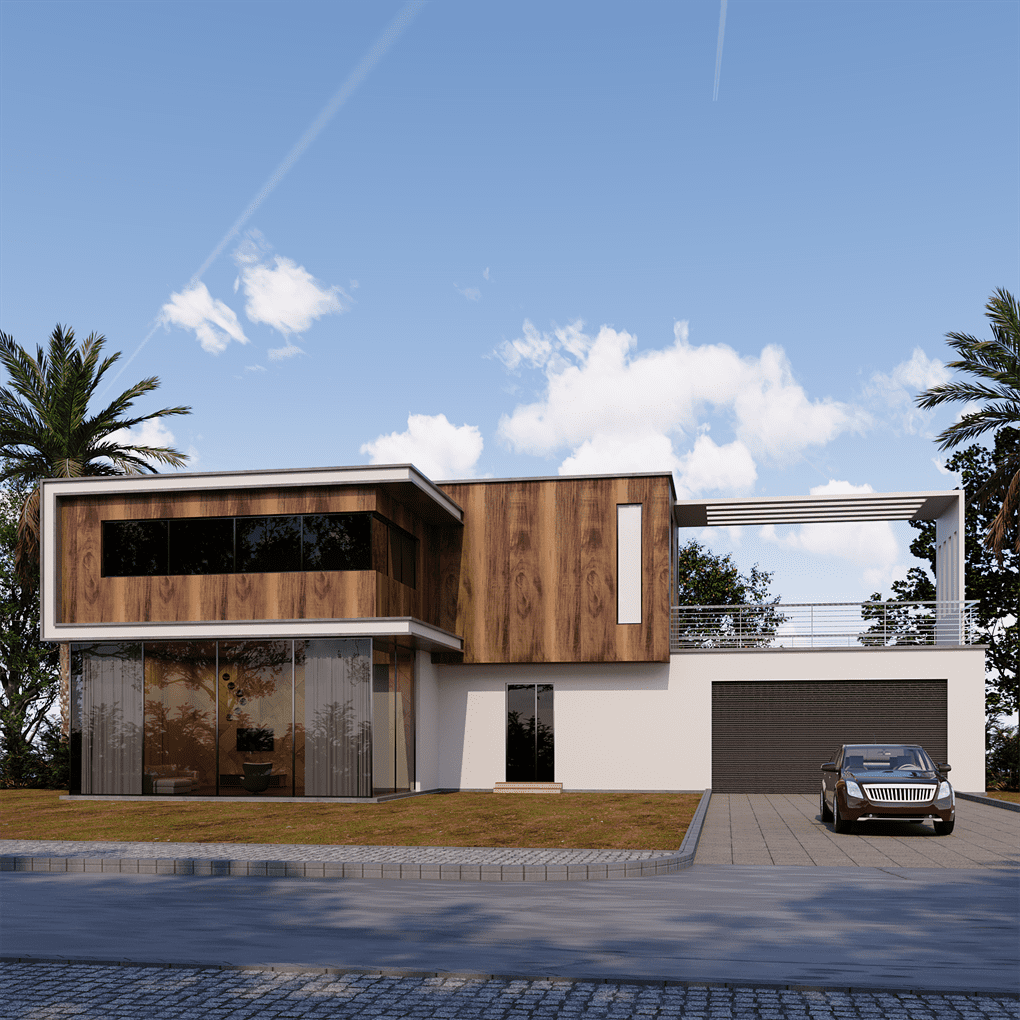
This is where the Alustic Wood Series provides a distinct advantage. It offers the aesthetic warmth of natural timber but is resistant to water, termites, and humidity. You achieve the design intent of a wooden facade without the risk of warping or rotting during the monsoon.

Managing Urban Pollution and Dust

In dense metropolitan areas, the challenge is often particulate matter. Dust, grime, and pollution can settle on a facade, making a new building look aged and tired very quickly.

The Solution: You require a surface with high smoothness and low static charge, allowing rain to naturally wash away settled dust.

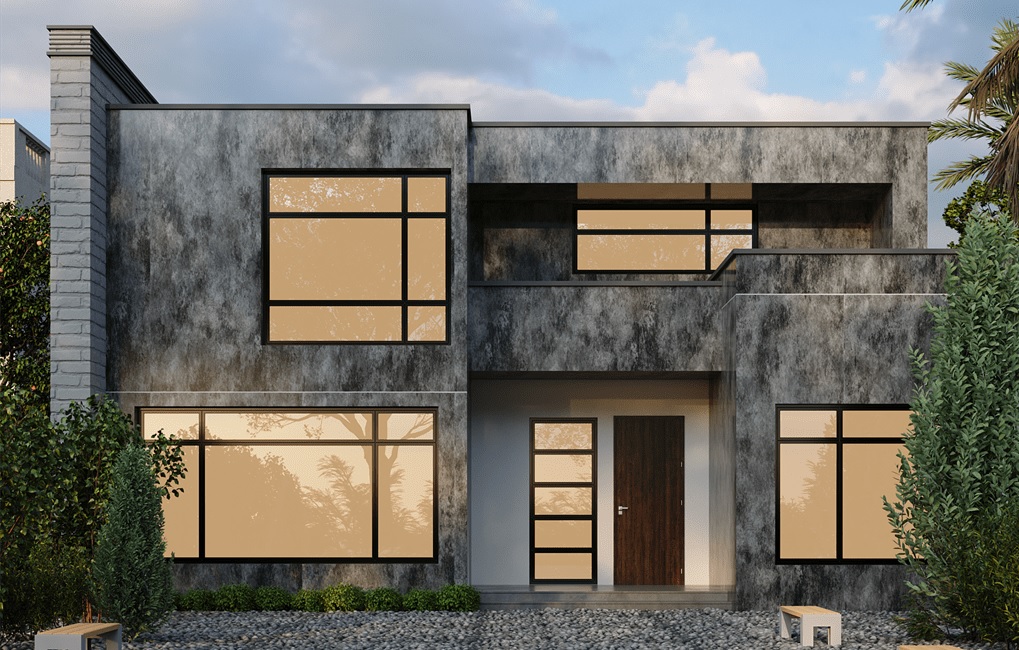
The Alustic Solid Series is ideal for urban environments. The high-quality finish of aluminium wall panels ensures that the bold colours remain vibrant and the surface remains easy to clean with a simple water wash. This low maintenance requirement is essential for high-rise commercial buildings where frequent cleaning is difficult and expensive.

Controlled Interior Environments

While the exterior fights the elements, the interior needs to maintain a sense of luxury and stability. Interiors are often subject to air conditioning and temperature fluctuations.

The Solution: For interior applications like lobbies or bathrooms, the Alustic Marble Series is a superior alternative to heavy stone. It withstands the humidity of wet areas (like restrooms) far better than porous marble, while adding a touch of opulence to the design.

Conclusion

Understanding the environmental and situational factors ensures that your project remains pristine for decades. By selecting the appropriate panel specification and finish, you are not just decorating a building; you are protecting it.

To view specifications and find the perfect match for your climate, explore the full range of products on the Alustic website. Choose Alustic, the top ACP brand in India, as your trusted partner for your next project.
Posted on Leave a comment

How to Choose the Right Solid Series ACP Color for Your Project

How to Choose the Right Solid Series ACP Color for Your Project

Selecting a colour often begins with a chart or fan deck, yet what should be a straightforward design decision can quickly feel like a high-pressure evaluation. Is the red too bold? Is the grey too understated? And will it appear the same on a ten-storey building as it does on a small sample chip?

Choosing the right colour of aluminium composite panel sheet for your facade is crucial. It is the first thing people notice, and it sets the tone for the entire structure. When working with the Alustic Solid Series, you have a massive palette at your fingertips. So, how do you narrow it down?

Here is a simple guide to finding the right hue for your project.

1. Define the Building’s “Personality”

Before you pick a colour, ask yourself: what is this building saying?

  • The Professional Approach: If you are designing a corporate office, a hospital, or an educational institution, you often want to convey trust, stability, and cleanliness. Deep blues, cool silvers, and crisp whites of aluminium wall panels are the gold standard here. They look professional and timeless.
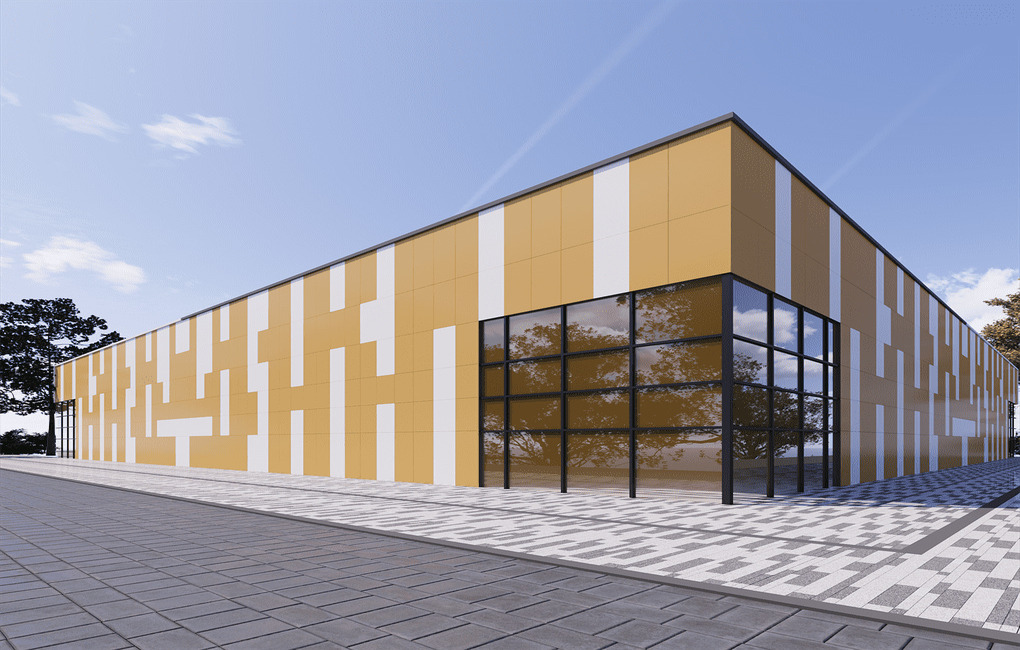
  • The Attention Grabber: For a retail store, a fast-food outlet, or a shopping mall, you want energy. You want heads to turn. This is where you can be brave with the vibrant reds, oranges, and yellows found in our Solid Series. These colours stimulate excitement and attract foot traffic.

2. The Art of Mixing Materials

One of the biggest mistakes people make is thinking they have to use just one colour for the whole building. The best designs often come from contrast.

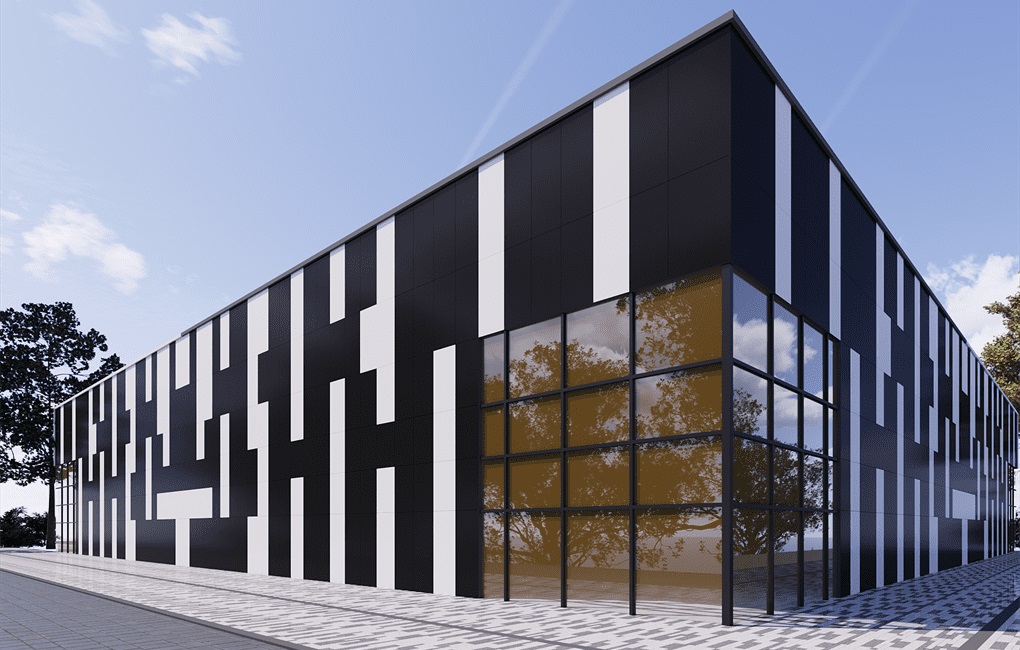
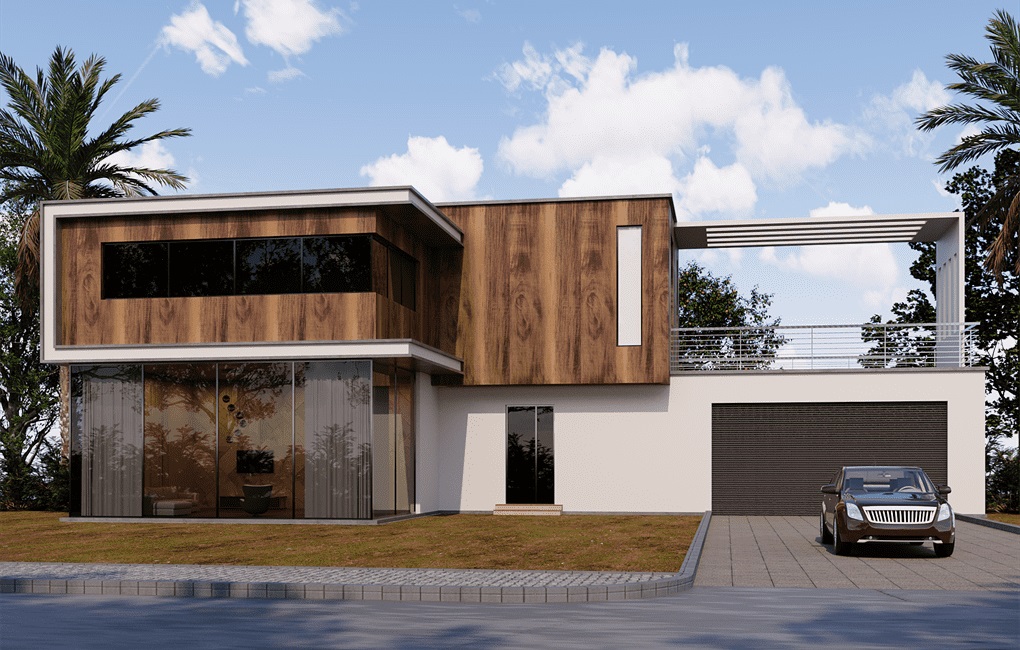
Solid colours look amazing when paired with textured finishes. For example, a modern home clad in a deep Charcoal Grey or Jet Black solid panel looks stunning when accented with the warm, natural tones of the Alustic Wood Series. The solid colour provides a sleek, modern canvas, while the wood finish adds a touch of organic warmth, preventing the design from feeling too cold or industrial.

3. Finish Matters: Matte vs. Gloss

Colour isn’t just about the pigment; it’s also about the reflection. The exact same shade of red can look entirely different depending on whether it absorbs light or reflects it.

  • Standard/Matte: Great for residential projects or large corporate facades where you want the colour to look consistent and don’t want blinding glare from the sun.
  • High Gloss: If you are designing a showroom, a high-end boutique, or interior signage, consider the Alustic Glossy Series. A high-gloss finish adds a layer of depth and luxury that indicates “premium”. It creates a mirror-like effect that makes small spaces feel larger and brands look more expensive.

4. Consider the Surroundings

Finally, look at where the building sits. Is it in a leafy suburb? Earthy tones or greens might blend in beautifully. Is it in a concrete jungle? You might want a bright pop of colour to stand out, or perhaps a sleek Metallic finish from the Alustic Metal Series to reflect the urban skyline.

Don’t view the building in isolation; view it as part of the streetscape.

Choosing a colour is a personal journey, but with the right strategy, you can ensure your building makes the perfect statement with the best exterior aluminium composite panel.

Ready to find your shade? Browse the full spectrum of possibilities on the Alustic website, and let’s bring your vision to colour!

Posted on Leave a comment

How ACP Panels Enable Curved and Non-Linear Architectural Designs

How ACP Panels Enable Curved and Non-Linear Architectural Designs

For decades, architecture was largely defined by the straight line. Buildings were boxes: rigid, rectangular, and predictable. But look at the skyline today, and you will see a dramatic shift. Modern architecture is embracing fluidity: sweeping curves, organic shapes, and non-linear facades that seem to defy gravity.

Achieving these fluid forms requires materials that are not just strong but exceptionally malleable. This is where Aluminium Composite Panels (ACPs) have revolutionised design, acting as the “fabric” of modern architecture and allowing buildings to flow.

Here is how ACPs are enabling architects to move beyond the box.

The Science of Flexibility

The secret to an aluminium wall panel’s ability to curve lies in its composite structure. By placing a flexible core between two thin layers of aluminium, the panel retains the metal’s strength but gains a surprising amount of elasticity. Unlike solid metal sheets, which can buckle or distort when bent, ACPs can be shaped into smooth, consistent curves without losing their structural integrity or surface finish.

Creating the “Liquid” Façade

One of the most striking applications of curved aluminium composite panel sheet is in creating a futuristic, metallic look. Architects often want a building to appear as if it is made of a single, continuous sheet of metal.

Through a process called roll bending (using a pyramid roller), panels can be curved to a specific radius. When applied to products like the Alustic Metal Series, the result is stunning. A building wrapped in a curved Silver or Champagne Gold panel catches the light differently at every angle, creating a dynamic, “liquid” appearance that changes throughout the day.

Organic Shapes with Bold Colours

Curves aren’t just for metallic finishes. We are seeing a rise in institutional and commercial buildings that use bold, solid colours on curved surfaces to soften the visual impact of large structures.

A curved canopy or a rounded corner clad in a vibrant hue from the Alustic Solid Series can transform a building from an imposing block into a welcoming, approachable landmark. The paint systems used on these panels are flexible enough to withstand the bending process without cracking or micro-fracturing, ensuring the colour remains flawless even under stress.

Interior Flow and Furniture

The application of corrugated aluminium cladding extends indoors as well. Interior designers use them to wrap structural columns, create flowing false ceilings, or design bespoke furniture like rounded reception desks.

Imagine a curved feature wall or a cylindrical pillar wrapped in a texture from the Alustic Wood Series. Achieving this look with real timber requires steaming and bending, which is expensive and time-consuming. With ACPs, you can achieve that warm, organic, curved wood look with a fraction of the effort and cost. Similarly, high-gloss curves using the Glossy Series can add a sleek, modern pop to retail interiors.

Conclusion

Design is no longer confined to right angles. Whether it is a subtle wave on a facade or a dramatic cylindrical structure, exterior aluminium composite panels provide the freedom to bend, twist, and shape the built environment. They offer the perfect balance of rigidity for strength and flexibility for creativity. Ready to explore the fluid side of design? Discover the full range of flexible and durable panels on the Alustic website, and let’s shape the future of your next project.

Posted on Leave a comment

Why ACP Panels Are Key to Energy-Efficient Building Design

best ACP sheets in India

The exterior, what architects call the ‘facade’, plays a huge role in making buildings memorable. A building’s facade isn’t just about looks, though. It needs to protect the structure, stand up to different elements, and often reflect the vision and purpose of what lies within. That’s why architects all over the world are turning to Aluminium Composite Panels(ACPs) for their projects.

An aluminium composite wall panel is more than just a way to make a building look sleek and modern. It’s also an important part of making designs that are smart and save energy. Let’s find out how.

1. Keep interiors warm

An ACP is like a high-tech travel mug for your building. These are two sheets of aluminium and a core material in between them that make up the panel. This core does not conduct too much heat, which helps to avoid the heat from moving in and out of the house too quickly when it’s hot and too slowly when it’s cold. This natural insulation keeps the temperature inside more stable and comfortable, so your heating and cooling systems don’t have to work as hard.

2. Making a Front That Can Breathe

Utilising ACPs in a “rainscreen” or “ventilated” facade system is one of the most effective methods for letting your building breathe. This puts the panels a short distance away from the main wall of the building, which creates an air gap. It adds another layer of insulation that stops the solar heat from ever reaching the wall. Which lets air move around; that helps moisture get out and keeps the building dry and healthy. It’s like putting a coat on the building that keeps it safe and lets air in.

3. Creative liberty

ACPs offer incredible design flexibility. They can be easily cut, bent, folded, and shaped into a variety of forms, allowing for stunning and unique building envelopes. Whether it’s sleek, straight lines or flowing curves, ACPs can deliver. The vast array of colours and finishes available also means architects can achieve the exact aesthetic they envision. From modern metallic looks to natural wood ambience. An ACP can help you out.

4. Lightweight and easy to install

Aluminium composite panel sheets (ACPs) are much lighter than more conventional cladding materials. This lighter weight offers a number of benefits. It reduces the strain on the building’s structure, potentially leading to cost savings in structural design. Additionally, their lightweight nature makes them easier to handle and install, which can speed up construction times and reduce labour costs. This efficiency is a major draw for architects looking for both innovative design and practical solutions.

5. Durable and sustainable

Energy efficiency also includes being sustainable and durable. The best ACP sheets in India are naturally resistant to corrosion, and when combined with protective coatings like PVDF, they can withstand harsh weather conditions, UV radiation, and even pollutants, reducing the need for frequent maintenance and replacements. And as aluminium is a highly recyclable material, it proves to be a highly sustainable choice. Creating designs that are both gorgeous and eco-friendly.

At Alustic, the best ACP sheet brand in India, we offer a seamless blend of design versatility and durability. From wood, metallic, marble textures, and more, our wide range of ACPs gives architects and designers the freedom to realise any vision. Engineered for performance, our panels are built to withstand the Indian climate and meet strict safety standards. Alustic is more than a façade material—it’s a partner committed to preserving your architectural statement.

Ready to make your next project more energy-efficient? Visit our website to get started today!