Posted on Leave a comment

How to Select ACP That Withstands Extreme Weather Across India’s Climate Zones

How to Select ACP That Withstands Extreme Weather Across India's Climate Zones

India is geographically unique. In a single country, we experience the scorching dry heat of Rajasthan, the torrential monsoons of Mumbai and Kerala, and the freezing cold of the Himalayas. For architects and builders, this presents a significant challenge: how do you select a building material that survives, and thrives, in such varied conditions?

A facade is the building’s first line of defence against the elements. While aluminium composite panel sheets are renowned for their durability, selecting the right specification for your specific geography is crucial to ensuring the longevity of the structure.

Here is a guide to selecting the right ACP for India’s extreme weather zones.

Battling the Scorching Sun and UV Radiation

In vast parts of Central and North India, the summer sun is unforgiving. The primary threat here is not just heat but Ultra-Violet (UV) radiation. Over time, intense UV exposure can cause inferior facade materials to fade, chalk, or lose their sheen within a few years.

The Solution: For high-sun exposure regions, the coating is everything. You must prioritise panels with a PVDF (Polyvinylidene Fluoride) coating. This fluoropolymer resin is chemically stable and resistant to UV degradation.

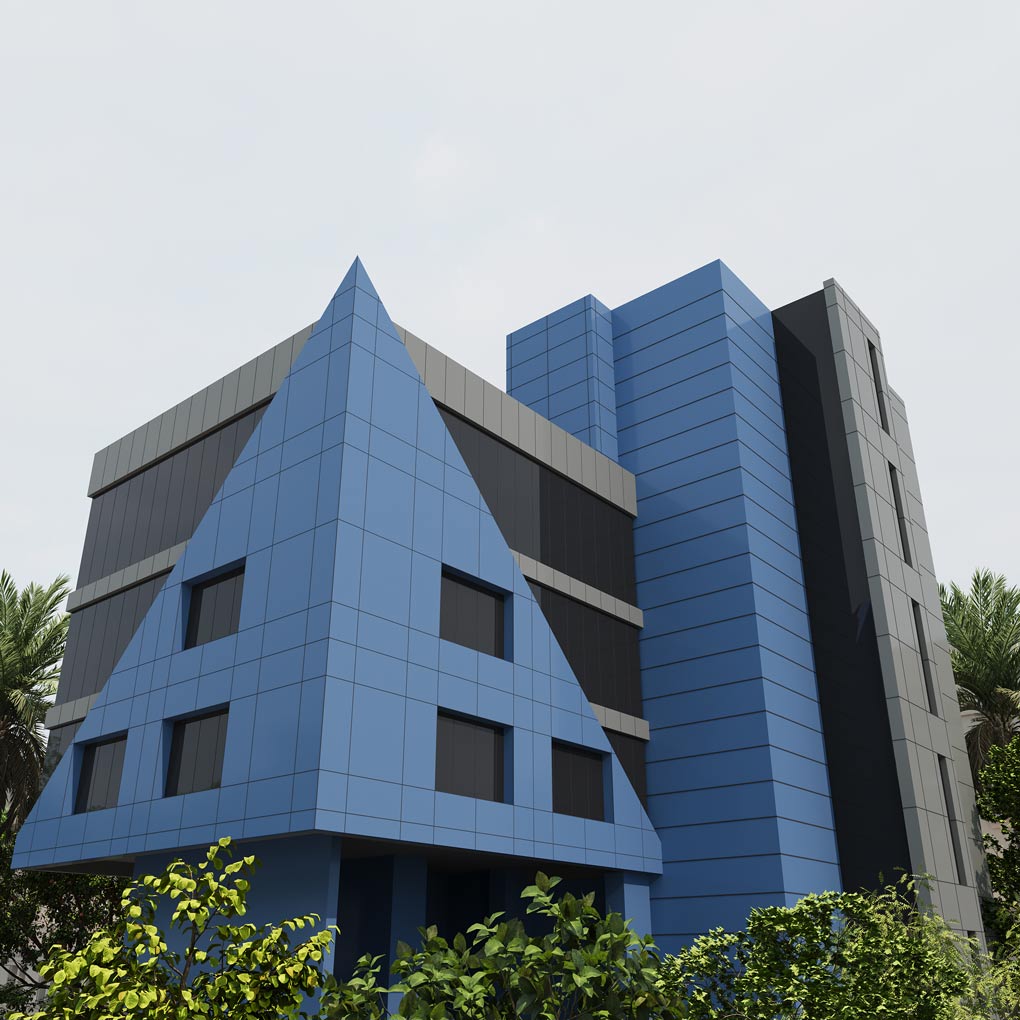
The Alustic Metal Series is an excellent choice for these regions. Not only does the PVDF coating protect the finish, but the metallic surface also helps reflect a portion of the heat, potentially aiding in the thermal management of the building.

Surviving the Heavy Monsoons and Humidity

For coastal cities and high-rainfall regions, the enemy is moisture. Traditional materials like natural wood or porous stone can absorb water, leading to rot, fungal growth, and structural weakening. Furthermore, coastal air often carries salt, which accelerates corrosion in standard metals.

The Solution: Aluminium is naturally resistant to corrosion, making exterior aluminium composite panels superior to steel or wood in coastal belts. However, the quality of the paint system is vital to prevent salt from penetrating the surface.

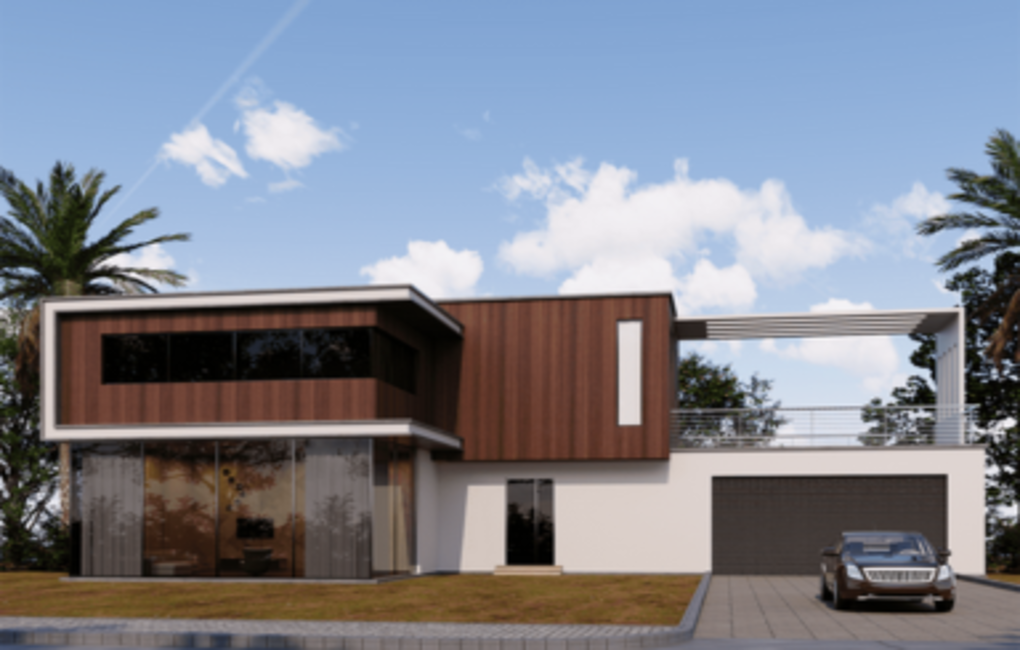
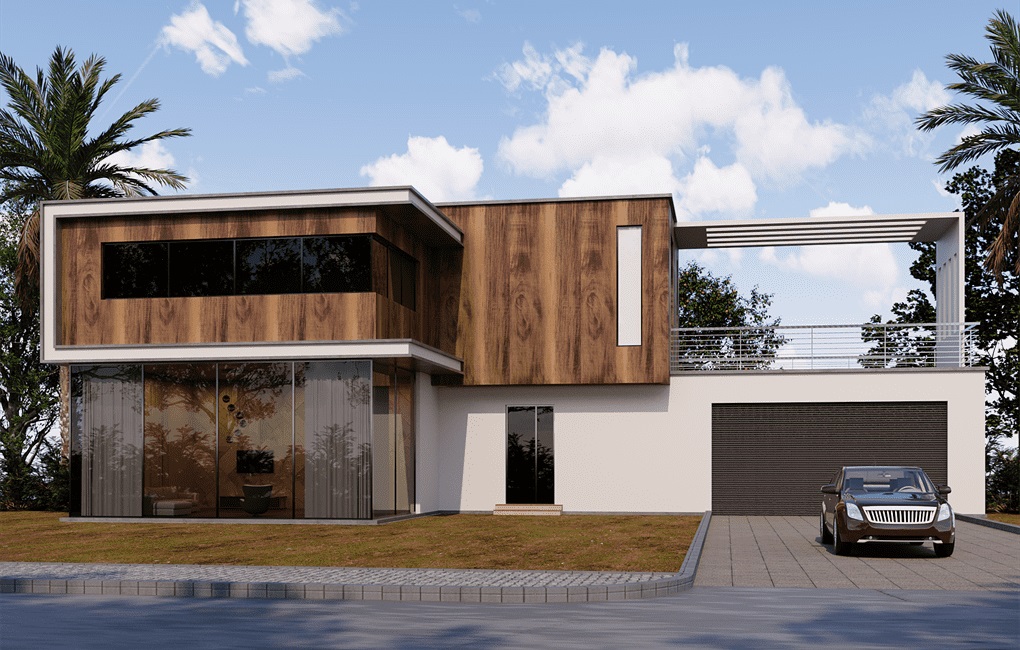
This is where the Alustic Wood Series provides a distinct advantage. It offers the aesthetic warmth of natural timber but is resistant to water, termites, and humidity. You achieve the design intent of a wooden facade without the risk of warping or rotting during the monsoon.

Managing Urban Pollution and Dust

In dense metropolitan areas, the challenge is often particulate matter. Dust, grime, and pollution can settle on a facade, making a new building look aged and tired very quickly.

The Solution: You require a surface with high smoothness and low static charge, allowing rain to naturally wash away settled dust.

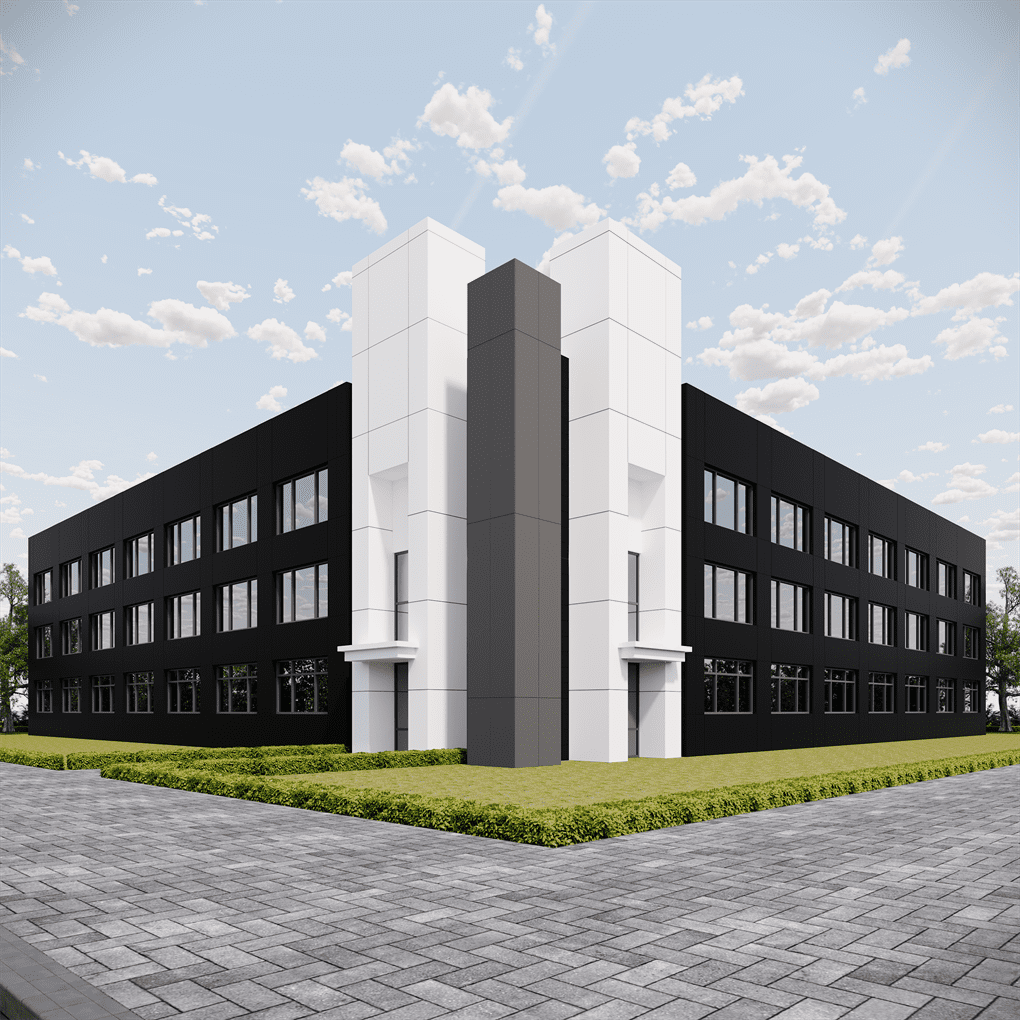
The Alustic Solid Series is ideal for urban environments. The high-quality finish of aluminium wall panels ensures that the bold colours remain vibrant and the surface remains easy to clean with a simple water wash. This low maintenance requirement is essential for high-rise commercial buildings where frequent cleaning is difficult and expensive.

Controlled Interior Environments

While the exterior fights the elements, the interior needs to maintain a sense of luxury and stability. Interiors are often subject to air conditioning and temperature fluctuations.

The Solution: For interior applications like lobbies or bathrooms, the Alustic Marble Series is a superior alternative to heavy stone. It withstands the humidity of wet areas (like restrooms) far better than porous marble, while adding a touch of opulence to the design.

Conclusion

Understanding the environmental and situational factors ensures that your project remains pristine for decades. By selecting the appropriate panel specification and finish, you are not just decorating a building; you are protecting it.

To view specifications and find the perfect match for your climate, explore the full range of products on the Alustic website. Choose Alustic, the top ACP brand in India, as your trusted partner for your next project.
Posted on Leave a comment

How ACP Panels Enable Curved and Non-Linear Architectural Designs

How ACP Panels Enable Curved and Non-Linear Architectural Designs

For decades, architecture was largely defined by the straight line. Buildings were boxes: rigid, rectangular, and predictable. But look at the skyline today, and you will see a dramatic shift. Modern architecture is embracing fluidity: sweeping curves, organic shapes, and non-linear facades that seem to defy gravity.

Achieving these fluid forms requires materials that are not just strong but exceptionally malleable. This is where Aluminium Composite Panels (ACPs) have revolutionised design, acting as the “fabric” of modern architecture and allowing buildings to flow.

Here is how ACPs are enabling architects to move beyond the box.

The Science of Flexibility

The secret to an aluminium wall panel’s ability to curve lies in its composite structure. By placing a flexible core between two thin layers of aluminium, the panel retains the metal’s strength but gains a surprising amount of elasticity. Unlike solid metal sheets, which can buckle or distort when bent, ACPs can be shaped into smooth, consistent curves without losing their structural integrity or surface finish.

Creating the “Liquid” Façade

One of the most striking applications of curved aluminium composite panel sheet is in creating a futuristic, metallic look. Architects often want a building to appear as if it is made of a single, continuous sheet of metal.

Through a process called roll bending (using a pyramid roller), panels can be curved to a specific radius. When applied to products like the Alustic Metal Series, the result is stunning. A building wrapped in a curved Silver or Champagne Gold panel catches the light differently at every angle, creating a dynamic, “liquid” appearance that changes throughout the day.

Organic Shapes with Bold Colours

Curves aren’t just for metallic finishes. We are seeing a rise in institutional and commercial buildings that use bold, solid colours on curved surfaces to soften the visual impact of large structures.

A curved canopy or a rounded corner clad in a vibrant hue from the Alustic Solid Series can transform a building from an imposing block into a welcoming, approachable landmark. The paint systems used on these panels are flexible enough to withstand the bending process without cracking or micro-fracturing, ensuring the colour remains flawless even under stress.

Interior Flow and Furniture

The application of corrugated aluminium cladding extends indoors as well. Interior designers use them to wrap structural columns, create flowing false ceilings, or design bespoke furniture like rounded reception desks.

Imagine a curved feature wall or a cylindrical pillar wrapped in a texture from the Alustic Wood Series. Achieving this look with real timber requires steaming and bending, which is expensive and time-consuming. With ACPs, you can achieve that warm, organic, curved wood look with a fraction of the effort and cost. Similarly, high-gloss curves using the Glossy Series can add a sleek, modern pop to retail interiors.

Conclusion

Design is no longer confined to right angles. Whether it is a subtle wave on a facade or a dramatic cylindrical structure, exterior aluminium composite panels provide the freedom to bend, twist, and shape the built environment. They offer the perfect balance of rigidity for strength and flexibility for creativity. Ready to explore the fluid side of design? Discover the full range of flexible and durable panels on the Alustic website, and let’s shape the future of your next project.

Posted on Leave a comment

How to Choose Aluminium Composite Panels (ACP) in 2025: A Complete Guide

aluminum wall panel

Architecture is smarter, sleeker, and better for the environment than ever before in 2025. We’re not just putting up buildings; we’re making statements that need to look good and last. The aluminium composite panel is at the centre of this movement. It is a flexible material that can cover everything from sleek modern homes to huge corporate headquarters.

But how do you know which one to choose when there are so many? This guide will show you exactly what to look for if you want to buy aluminium composite panel solutions from the top ACP brand in India this year.

Fire safety comes first: A non-negotiable

First, let’s talk about the most important thing: safety. Building rules are stricter than ever in 2025, and fire safety is at the top of the list. The core of an ACP sheet is very important in this case. Standard panels are fine for some low-rise uses, but fire-retardant (FR) cores are necessary for high-rise buildings and public spaces.

Always ask about the fire rating of an aluminum wall panel before you buy it. Find panels with a core full of minerals that stop flames from spreading. A good manufacturer will be open about their safety certifications, which will make you feel better about using safe materials.

Finish that fits your architectural vision

The finish on an aluminium composite panel is what makes it so special. This is what makes your design real, and in 2025, there will be no limits to what you can do. Here are some of the options that help you realise your aesthetic vision:

  • Do you want the warmth of wood without having to take care of it? Modern ACPs look and feel just like real materials. A high-quality wooden series can give a building a warm, inviting feel that makes it feel connected to nature.
  • If you want a look that is both modern and active, metallic finishes are the way to go. They change the way light hits them and give any facade a sleek, industrial look. For designs that are clean, modern, and high-tech, look at the Metal Series.
  • Timeless and flexible, solid and glossy panels give a clean, even look that works well for both bold colour statements and simple designs.

Technical Specs: Prioritise quality

It’s nice to have a beautiful finish, but the exterior aluminium composite panel’s strength is what makes sure your project lasts. Check this before finalising a panel:

  • Coil Thickness: The “skin” of the panel is made of aluminium coils. For good impact resistance and long life, a thickness of 0.25 mm to 0.50 mm is usually best.
  • Coating: Look for panels with a PVDF (Polyvinylidene Fluoride) coating, especially for the outside. It is much better at blocking UV rays, chalking, and pollution, which keeps your colours bright for years.
  • Certifications: Check for certifications to verify the quality. ISO certifications show that a brand is serious about safety, quality management, and environmental standards. You can trust a brand that proudly shows off its certificates.

How to Find the Best ACP Panels in India

In the end, it’s not just the product that matters when looking for the best ACP panels in India; it’s also the partner. Pick a company that has a good name, a full warranty, and a promise to help customers. The panels themselves are not as important as how you feel about the brand.

Are you ready to make something great in 2025? To start, pick a material that is safe, beautiful, and has been certified as high quality. Here we are, and we meet all the requirements for your service. Find our collections at Alustic to find the best ACP solution for your creative project.

Posted on Leave a comment

What are ACP Aluminium Panels? Explore Their Types, Uses and Key Benefits

aluminum composite panel sheets

You’ve probably seen those sleek, modern buildings with smooth, colourful surfaces. Aluminium composite wall panels, or ACPs, are what you see here.

These are two sheets of strong but light aluminium on the outside, and in the middle is a core material. This core is typically composed of non-combustible materials, such as plastic, depending on the panel’s intended use. The best ACP sheets in India are not only strong and flexible but also lightweight, perfect for our building needs!

This guide explores the various panel types and how they improve the look and functionality of our buildings.

Choosing the Right ACP for the Task:

  • Polyester (PE) Coated ACPs: The People Who Decorate Interiors

These are like the trendy clothes for the inside of your building. The polyester comes in a wide range of colours and finishes. Perfect for adding a touch of glam to otherwise plain walls, ceilings, and even furniture with a glossy panel design. They’re also affordable, making them perfect for giving your home or office a modern look.

  •   Polyvinylidene Fluoride (PVDF) Coated ACPs: The Weather Warriors

These are the tough ones that can handle anything that monsoons or hot summers throw at them. The PVDF coating is resistant to rain, humidity, pollution and fading from the strong Indian sun. This is why they are the best choice for building exteriors that need to look good for a long time with the sophisticated, modern finishes found in the Metal Series.

  •  Fire-Retardant (FR) ACPs: Always Put Safety First

Because fire safety is paramount in today’s building practices, fire-retardant aluminum composite panel sheets are an absolute must. A distinctive mineral-filled compound keeps it from igniting on the inside, while its sleek exterior belies its functionality. This core helps keep the flames from spreading too quickly and makes less smoke if there is a fire. That is why FR panels are an essential component of any high-traffic, high-rise building, such as a school, hospital, mall, or airport.

Where Are We Seeing These Panels? Look Around!

From gleaming office towers to modern homes, ACP aluminium panels are being used in so many ways:

  • Building exteriors: Giving a sleek, modern look while protecting the building from sun and rain.
  • Walls and ceilings inside: With surfaces that are smooth and easy to clean. Various textures, such as wood, metal, and marble, give your walls a stylish accent.
  • Signs and Ads: Great for making clear, professional-looking signs that can stand up to the weather.
  • Shopfronts and kiosks: Helping businesses make their spaces look nice and modern to attract customers.
  • Furniture: ACP panels are a great fit for modern furniture, as they’re light, durable, and available in a variety of finishes.

Why ACPs? The Benefits.

Why do architects and builders in India prefer aluminium composite wall panels?

  • Lightweight: Makes it easier and faster to install, which saves time and money.
  • Strong and long-lasting: The exterior aluminium composite panels can handle our changing weather and won’t wear out easily.
  • Flexible designs: Comes in a wide range of colours and finishes, so you can make your designs stand out.
  • Easy to clean: Just give them a quick wipe to keep them looking as good as new.
  • Cost-Effective: They offer great value for their longevity and performance.

​Ready to transform your space or have a project in mind? Explore our full range of stunning ACP collections on the Alustic website, and let’s bring your architectural vision to life together!